
Seasons and Weather Climate in Iceland
Iceland’s weather and daylight change a lot throughout the year, so the season you visit can shape your whole trip. In this section, you’ll find practical guides to Iceland’s climate, seasonal driving conditions, daylight hours, packing needs, and what to expect in summer, winter, spring, and autumn.
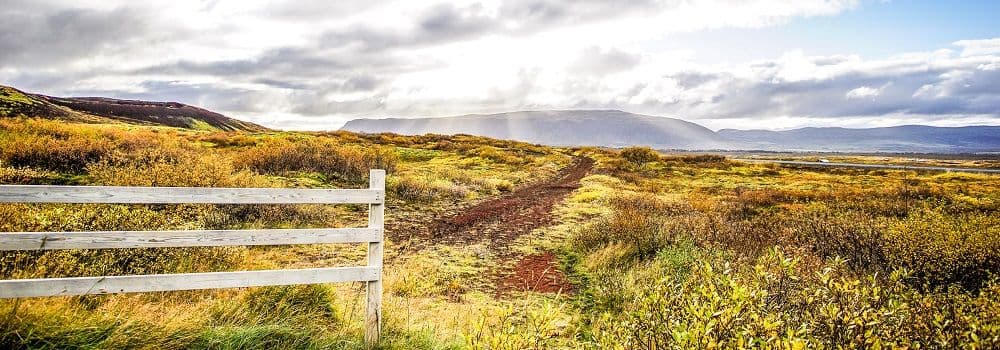
When is it Warmest in Iceland?
The warmest time to visit Iceland is during the usual European summer months of July and August. The country is renowned for being cold, but temperatures are much milder during the summer months.
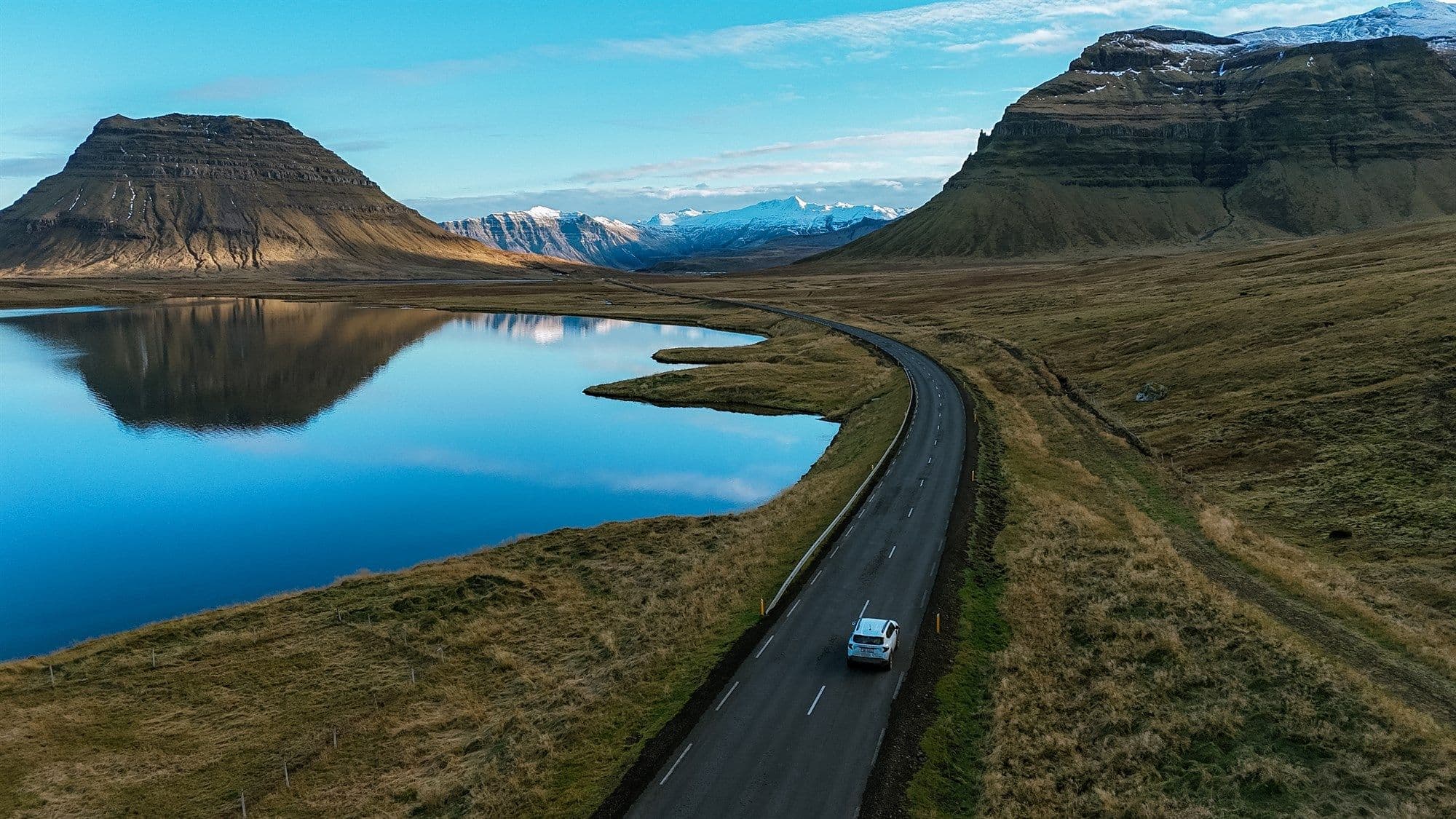
Winter Travel in Iceland: Reykjavík Car Hire Guide
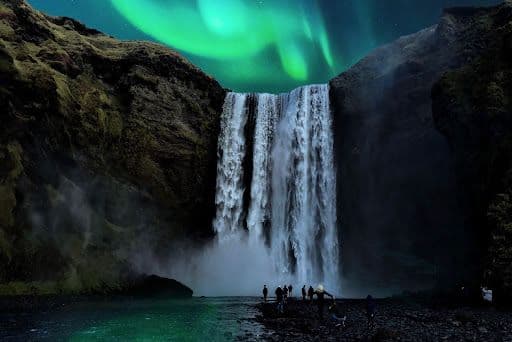
What is Iceland really like in Winter?
Winter weather in Iceland typically involves rain, snow, wind and sun all in one day! This blog tells you what you can expect during your visit.
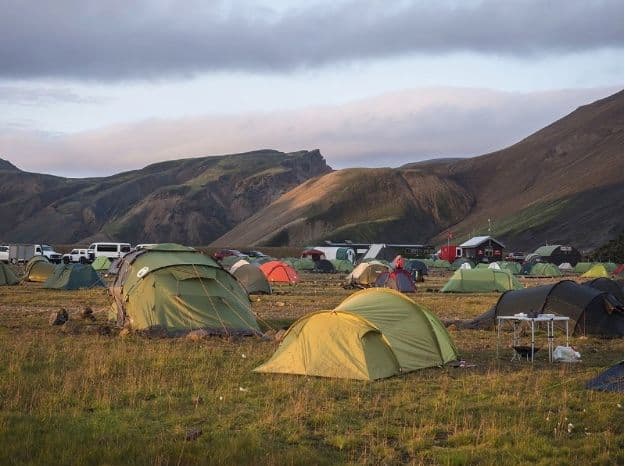
Things To Do in Iceland During The Summer For Families
When thinking about your typical family summer holiday, Iceland doesn't usually spring to mind. However, there are a number of excellent activities to take part in which are fun for all of the family!
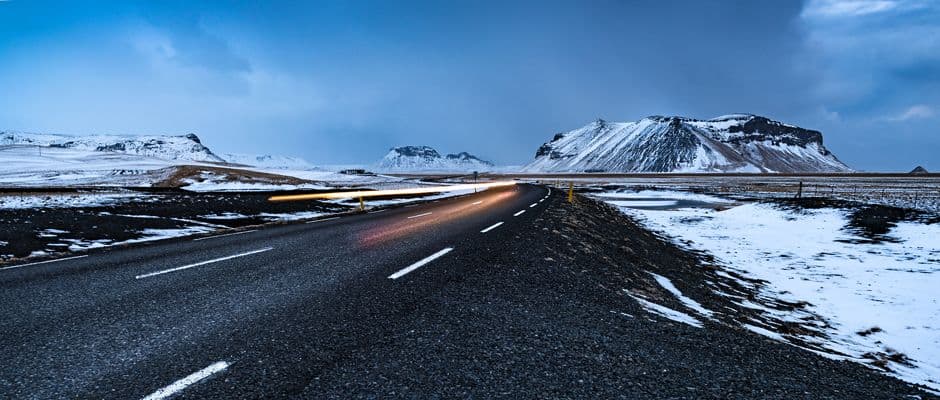
The Best Time to Visit Iceland: Weather, Northern Lights, Wildlife and Travel Tips
This guide gives you some tips on the best time to visit Iceland and what you should consider about the weather.
Our Guide to Flying to Iceland
Iceland, the land of ice and fire, has become an increasingly popular place to travel to; the tourist industry in Iceland bloomed after the 2010 Eyjafjallajökull volcano eruption. Each year millions of visitors come to Iceland to experience the island’s beauty, adventure and activities.
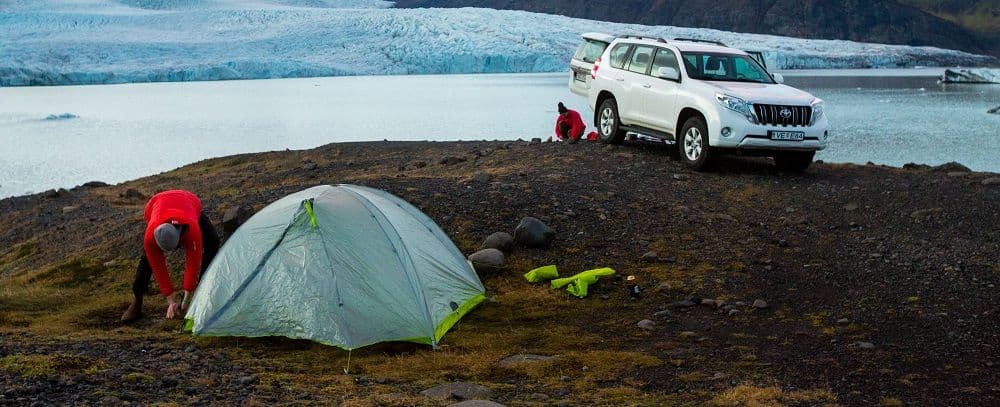
Our Guide to Driving in the Snow
There are a lot of tips out there for general driving in Iceland, and you can find more helpful information here. The most important thing is to check the weather conditions and follow safety advice.

Iceland’s Temperature Month by Month
When planning a trip to Iceland, the first factor that many people consider is what the weather will be like when they visit.
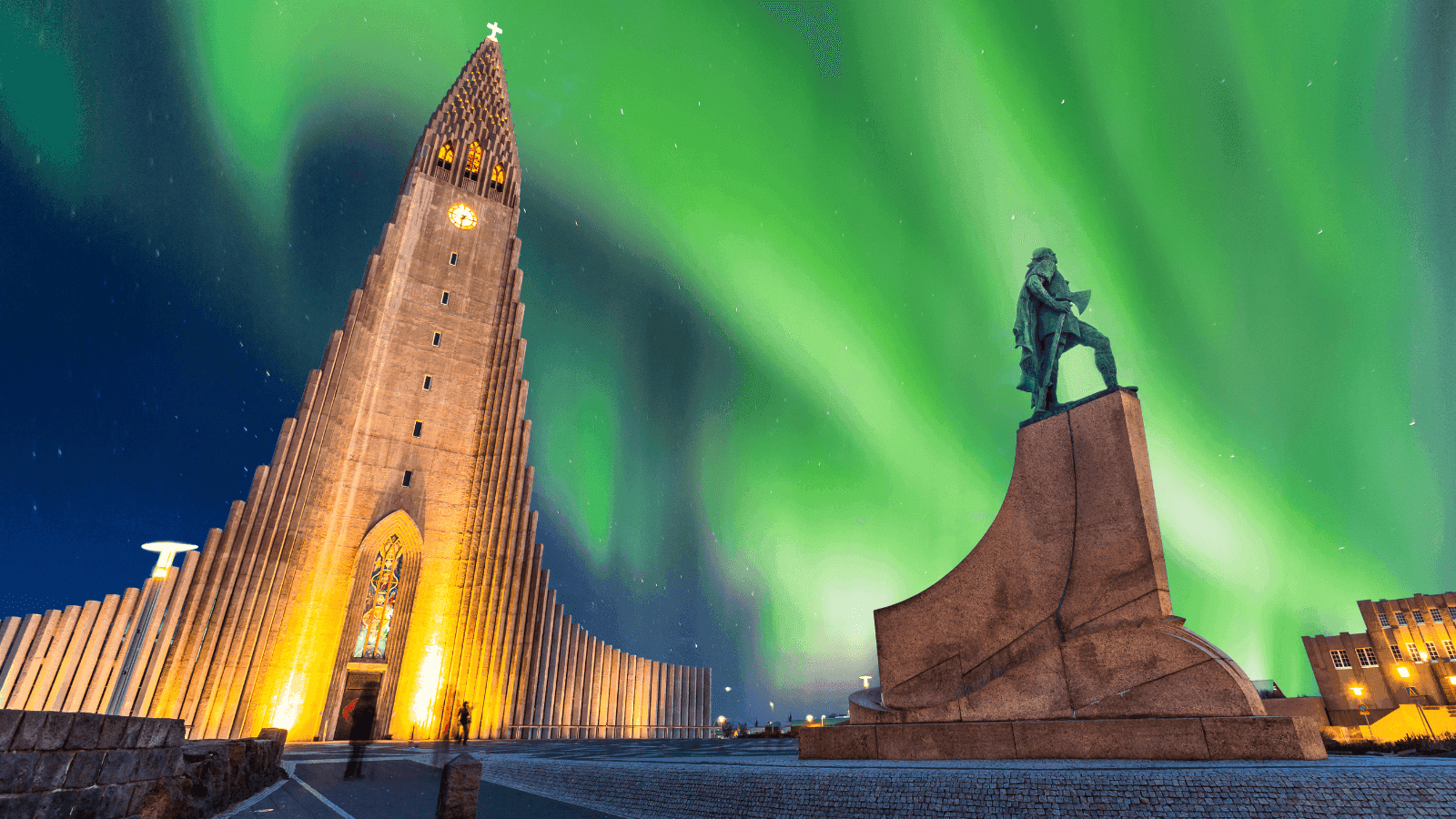
Iceland in October
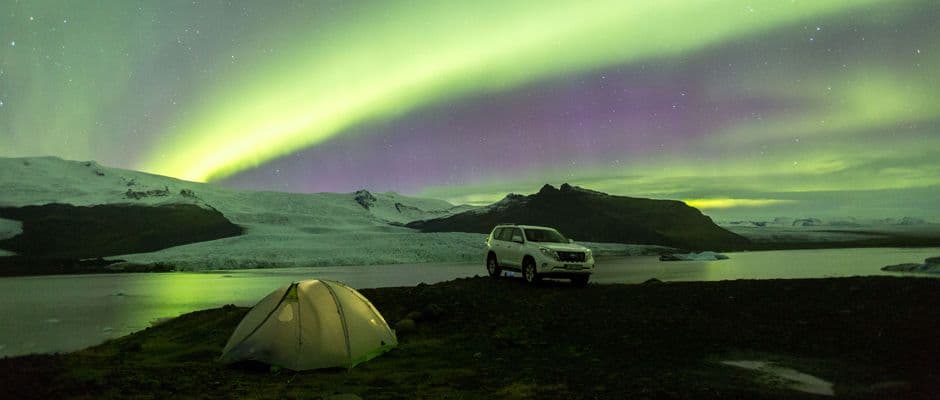
If you’re considering a shoulder-season visit to Iceland, October is a great time to travel. With significant daylight hours to explore the country, far fewer tourists than in the heights of summer, as well as the chance to spot the Northern Lights, October poses a great opportunity for the perfect Icelandic adventure.
Iceland in May
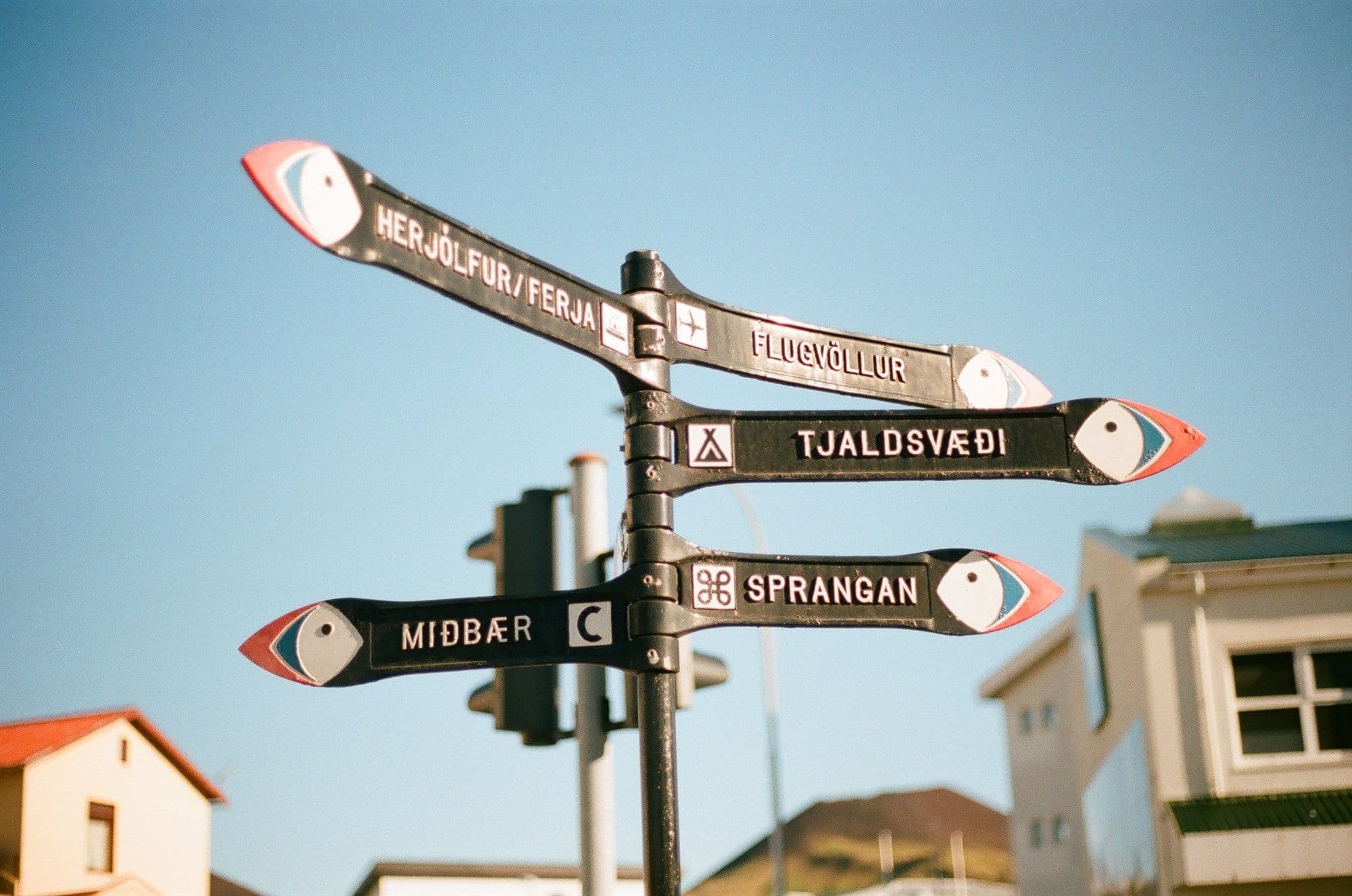
May just might be the perfect time to visit Iceland! With winter formally ended and increased daylight hours, maximizing your time for adventures, there’s much to love about an Icelandic May.
Iceland in March: Your Guide to Weather, Things to Do and More
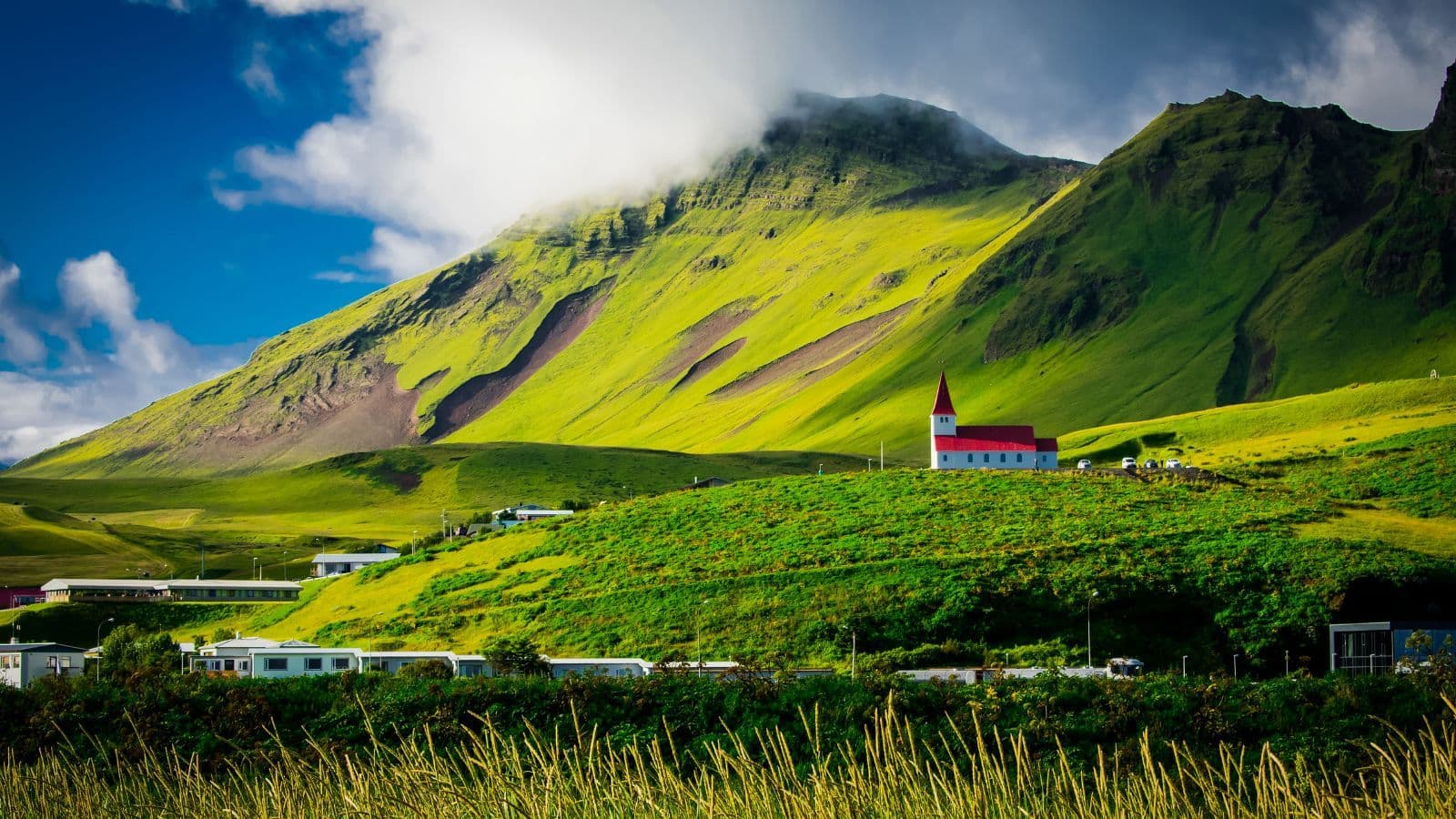
Planning a visit to Iceland in March? From weather and what to pack to the best things to do in March, our blog is here to answer all your questions! Read now.
Iceland in June
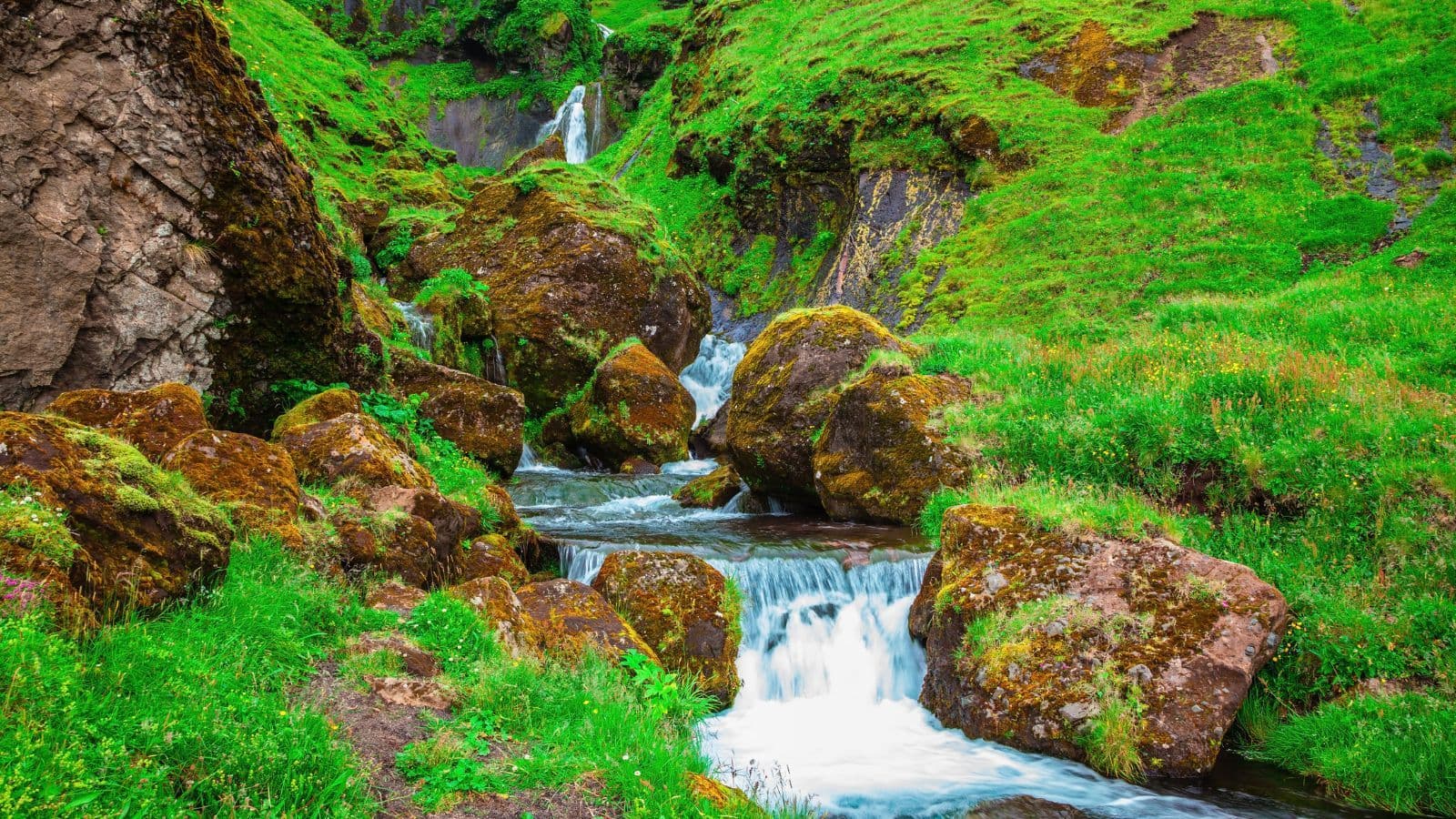
Iceland in June: dive into the time of the Midnight Sun and peak summer experiences on this Nordic island. June is a very popular time to visit Iceland, thanks to extended daylight hours, mild weather, and carefree summer vibes. It’s also the perfect time of year to rent a car, hit the road, and explore the country at your own pace.
Iceland in July
Picture yourself hiking through Iceland’s mountains at midnight or soaking up local culture at a real Icelandic festival. July is one of the best and most popular times to visit Iceland, for these reasons and more.
Iceland in April
If you’re wondering whether April is a good time to visit Iceland, the answer is a resounding yes! April brings the first signs of spring to this Nordic island, and yet it’s still considered the off-season.
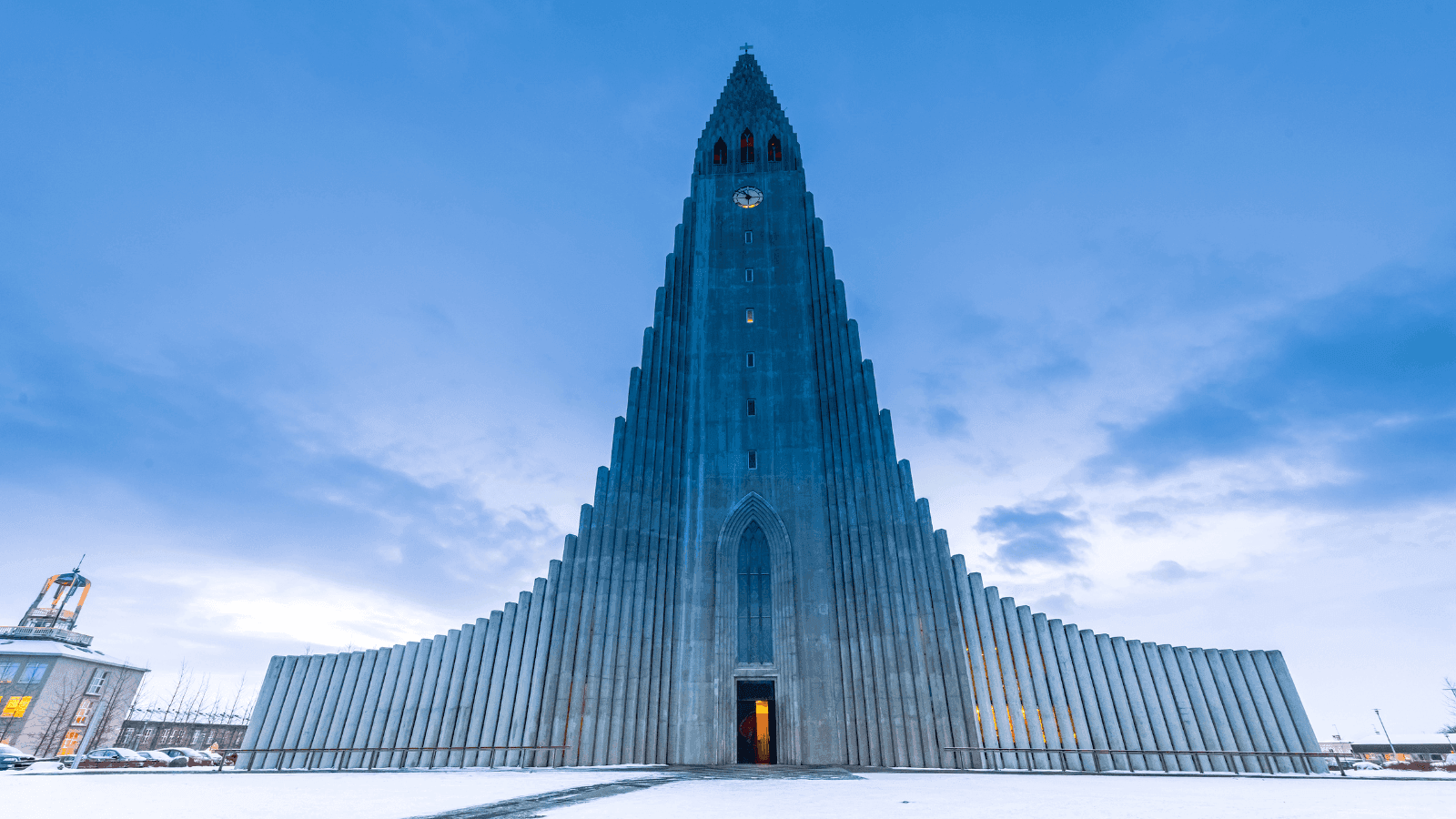
How much does it snow in Reykjavik?
If you’re planning a trip to Iceland, you probably have a lot of questions about what type of weather to expect when you are there. Most people who visit Iceland spend at least some time in Reykjavik, so it’s important to understand what type of weather you should expect in the city.
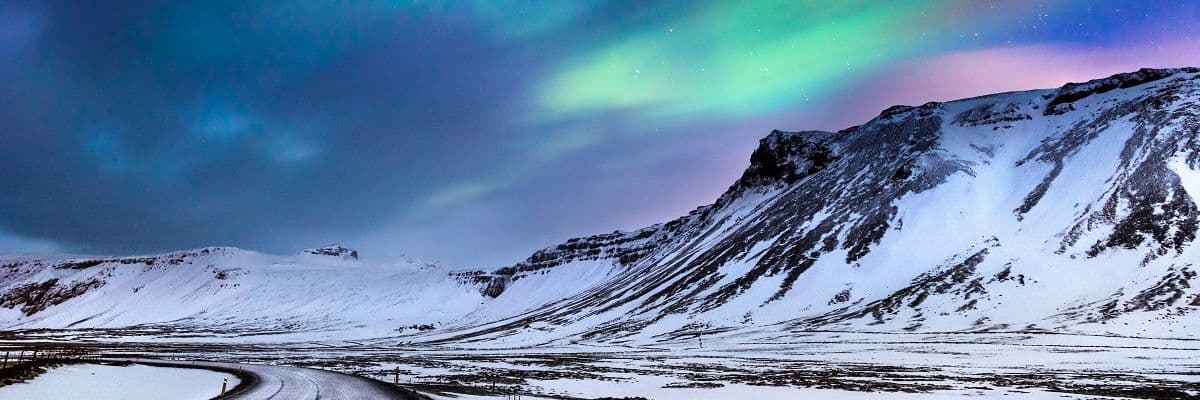
How Dark Does It Get in Iceland in Winter?
Winter in Iceland is a great time to visit. Click here to find out if the short daylight hours will affect the activities you can do.

A Guide to Iceland’s Midnight Sun
The Midnight Sun in Iceland is a natural phenomenon that is enjoyed by Icelanders and visitors alike. Find out what causes it and how you can enjoy it.
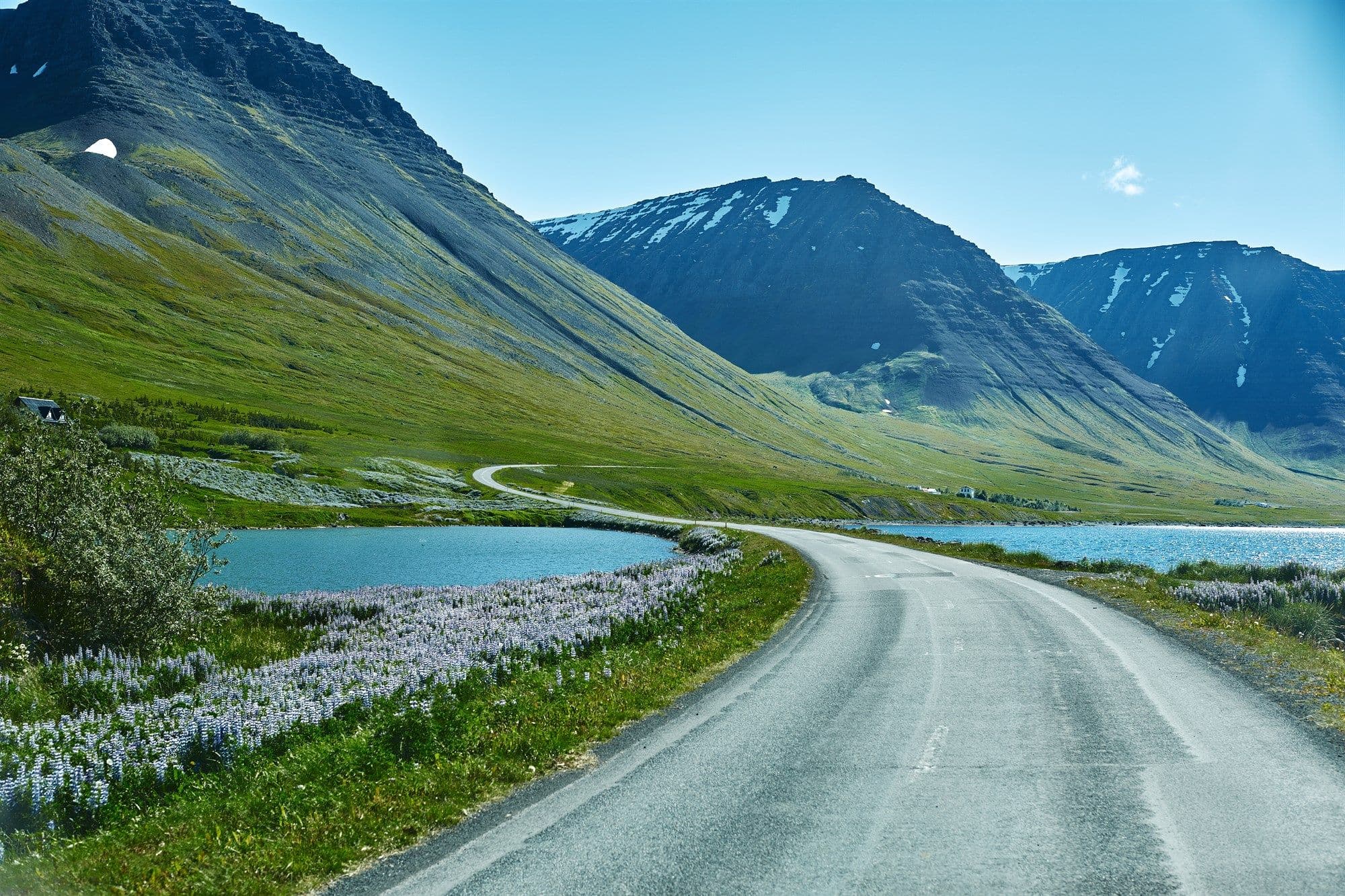
A Guide to Iceland in August
August marks the start of a transitional season in Iceland, where the season slowly begins to shift into fall. But the beauty of Iceland’s late summer is that it’s still technically summer, meaning there are still plenty of daylight hours to explore Iceland, combined with amazing activities and festivals as well as agreeable weather.