
Iceland in March: Your Guide to Weather, Things to Do and More
Planning a visit to Iceland in March? From weather and what to pack to the best things to do in March, our blog is here to answer all your questions! Read now.
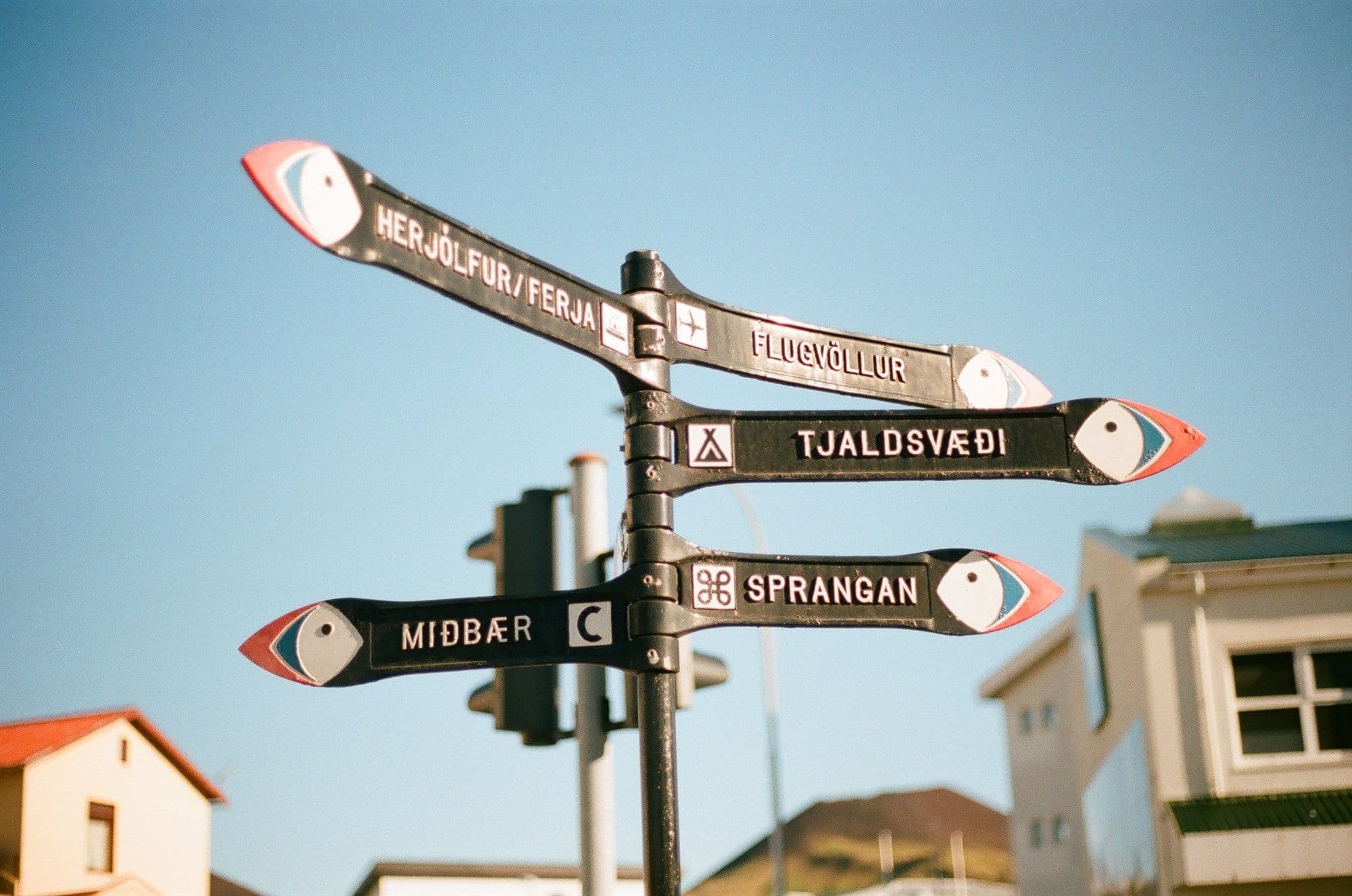

Iceland is one of those irresistible destinations that still fascinates the world. From shimmering blue glaciers to the hypnotic dancing of the Northern Lights, there is much mystique that pulls visitors from all over the globe to this Nordic island. However, due to its location in the cold North Atlantic, Iceland has changeable weather, noticeable seasons, and a variety of attractions that are only accessible at certain times of the year, as well as roads that are closed all winter. When planning a trip to Iceland, it’s important to do your research on the time of year you plan to travel. March is a particularly popular month to visit. From choosing the right rental car to taking in all the sights, let’s explore Iceland in March.
One thing to be aware of about this time of year is that it’s a bit of a sweet spot in the seasons. The days are beginning to get longer, and the ice may start to melt, but it’s still technically the off-season, so you can benefit from better prices and smaller crowds!
Weather & Temperatures in Iceland in March

With March in Iceland comes the first glimpses of spring and hope for the end of winter. Iceland’s temperatures are still rather chilly in March, with the average high hovering around 38°F (3.33°C) and the average low typically about 28°F (-2.22°C). As you might expect, the weather in the north of Iceland will be colder, while the south and Reykjavík will be slightly warmer. No matter where you’re traveling in Iceland, make sure to pack accordingly.
In terms of precipitation, March typically sees about 3 inches (7 centimeters), though this is more often rain than snow. Snow is certainly not out of the question in March. The rule of thumb for the weather in Iceland at any time of the year is, “Expect the unexpected!”
Want to understand Iceland’s weather on a deeper level? Get a month-by-month breakdown of Iceland’s temperatures.
Daylight Hours in Iceland During March
Iceland is known for its variation in daylight hours throughout the year. During the summer, the phenomenon known as the Midnight Sun occurs, during which there is little to no darkness. This takes place around the Summer Solstice, which is usually on the 21st or 22nd of June.
However, March comes in at the tail end of winter. Unlike summer, winter in Iceland brings more darkness and fewer hours of daylight for exploring. If you plan to visit Iceland in early March, you can expect about 11 hours of daylight. If you visit later in the month, as we inch closer to spring, you can expect roughly 12 hours of daylight.
Things to D****o in Iceland in March
March is a brilliant month to visit Iceland. The end of winter means that not too many activities are off-limits, so you’re able to keep busy. Here are just some examples of the great activities you can enjoy at this time of year.

Whale-Watching in March
All over Iceland, you will find excellent whale-watching tours in March. Tours can be joined from Reykjavík, or if you’re traveling further afield, Husavik in the north is famous for the variety of whales that can be seen! Whale species you can see in Iceland include orcas, humpback whales, minke whales, fin whales, pilot whales, sperm whales, as well as different species of dolphins.
Glacier Hikes and Tours in March
Iceland’s many glaciers draw tourists from all over the world, not only for their dramatic landscapes but also for the many activities you can enjoy there. From snowmobiling across their snowy, vast expanses to ice climbing and glacier hiking, there’s plenty here to thrill any adrenaline junkie.
Ice Caves in March
Exploring ice caves is a real treat in Iceland. These natural wonders, formed by moving glaciers, are only possible to see during the winter months, so March will be one of your last chances to glimpse them. The amazing ice formations are well worth the expedition!
Road Trips in March
There’s no better way to experience the wild expanses of Iceland than on a road trip. Popular routes like the Ring Road, the Golden Circle, and the Diamond Circle have good access year-round. The Highlands are an amazing part of the country to explore, but it’s not possible to travel there in March. This is because the network of Highland roads, known as the F-Roads, is closed until summer due to inclement weather and tough terrain.
Hot Springs in March
Iceland is famous for its geothermal activity, and as a result, hot springs and hotpots are dotted all across the country. Some major attractions, like The Blue Lagoon and Mývatn Nature Baths, are destinations within themselves. You can find others near the country’s countless attractions or near the side of the road. Relax your travel-weary bones, soaking in natural hot water, taking in Iceland’s stunning scenery as you do so.
It’s worth noting that some hot springs in Iceland are too hot for people to soak in. Always do your research before entering a hot spring for your own safety!
Driving in Iceland in March

Iceland’s weather can never be fully predictable. Typically, March doesn’t have the harshest weather, but anything can happen. As a result, driving in March should be safe, but it’s important to check road conditions and weather forecasts before setting out on the roads. In the event the snow does fall, you can learn more about driving in Iceland in the snow.
Choosing the right car to rent in March
If you do plan to drive during your time in Iceland, you’ll want to make sure you’ve chosen an appropriate vehicle for the season. It’s not unlikely that you’ll encounter snow, so some roads could be closed or require extra care. The Highland F-Roads remain shut at this time, so you won’t be required by law to hire a 4x4, as you won’t be traversing those remote routes.
If you plan to stick to main routes like the Ring Road and Golden Circle, you’ll be fine with any vehicle. But if you want to take extra care, you may want to opt for a 4x4 that comes with higher clearance, just in case you do encounter some unpredictable weather. Find out more about how to select the right rental car for Iceland.
Iceland’s Festivals & Events in March
Visiting in March comes with some additional perks you may not have expected. During this month, Iceland’s social calendar comes to life, offering a number of events and festivals you can join while on your trip.
The Icelandic Annual Beer Festival
Iceland has a unique history with beer. Prohibition was in effect in the country from 1915, and over the years, alcohol was gradually legalised again, but beer was the last to be reintroduced, and not until 1989! Now, each year, March 1st is known as Beer Day, and people all over the country celebrate. The Icelandic Annual Beer Festival is held in Reykjavík, allowing locals and visitors alike to sample beers and mingle with the passionate people who make them. There’s also often food and live music.
Reykjavík Food and Fun Festival
Each March, a fantastic food festival comes to the capital of Icleland. Packed with amazing food, top Icelandic ingredients, and the energy of Reykjavík’s legendary nightlife, the Food and Fun festival blends all the good stuff into one unforgettable experience.
Bolludagur (Bun Day)
Depending on when Easter falls in the year you visit Iceland, you might be able to enjoy Bolludagur, or "Cream Bun Day.” This falls on the Monday before Ash Wednesday, and it is tradition to eat cream buns filled with custard, cream, or jam and often topped with a chocolate glaze.
Northern Lights in March
If you’re wondering if the Northern Lights can be seen in Iceland in March, the answer is yes! Peak Northern Lights viewing in Iceland takes place between the months of October and April, so March should present plenty of opportunities. One of the best ways to see them is to join a Northern Lights chasing tour, but be aware that spotting them is never a guarantee. The conditions have to be just right - read our blog on tips for hunting the Northern Lights.

While the weather may be unpredictable, it adds to the sense of adventure that Iceland offers. Whether you're exploring icy waterfalls, relaxing in geothermal pools, or simply taking in the untouched wilderness, Iceland in March is a place where nature truly takes center stage. It’s a reminder that even in the colder months, there’s a unique charm waiting to be discovered. Start planning your time in Iceland and book your rental car with us today!