
How Dark Does It Get in Iceland in Winter?
Winter in Iceland is a great time to visit. Click here to find out if the short daylight hours will affect the activities you can do.
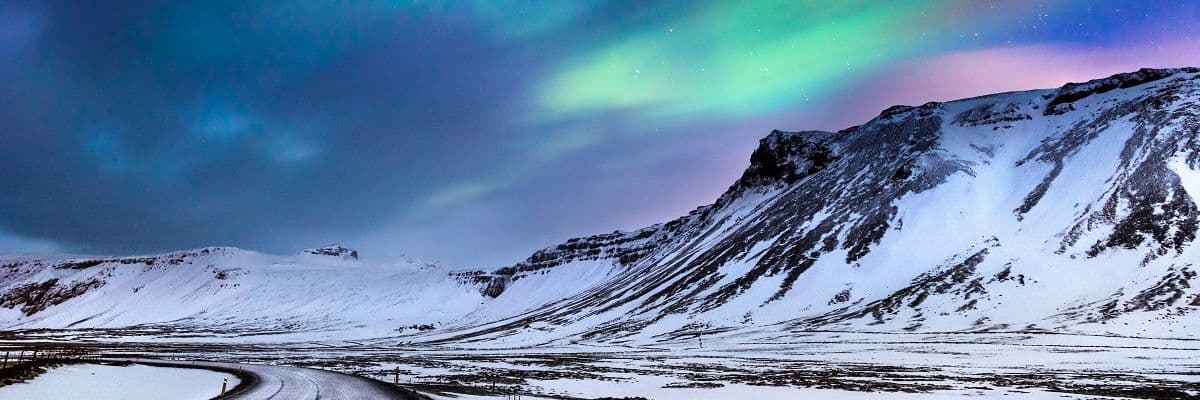
Winter in Iceland is a great time to visit, but it’s understandable if you have a fair amount of curiosity about visiting Iceland in the winter. Along with common queries about the weather and temperatures, we also hear from many visitors wondering about the number of daylight hours. This is an important topic, as it affects your chances of seeing the Northern Lights and how much time you have during the day to explore.
Find out about Iceland’s hours of darkness with some of our most frequently asked questions on the topic, and what to do during the darker months here.
Hours Of Daylight in Iceland During Winter FAQ
The northern latitudes are notorious for their winter darkness, and Iceland is no different. The darker winter days, of course, are juxtaposed with their long sun-soaked summers during the midnight sun period. If you intend to travel to Iceland during the winter, you may be concerned with the hours of daylight available to you and how this may affect your activities and tours. Find out if winter is the best time to visit Iceland for you.

How Many Average Daylight Hours Are There In Icelandic Winters?
Iceland has limited sunlight during the winter due to the country’s high latitude. From October to December, an estimated 6 minutes of sunlight are lost each day. The days go from 11 hours long in October to just 8 hours in November. In December, you can expect a maximum of 5 hours of sunlight, due to the winter solstice.
Is Iceland Completely Dark During the Winter Solstice?
No, Iceland is not completely dark for 24 hours at any point of the year. The winter solstice varies from year to year, but always falls around December 21-22, and while the days are very short (between 4-5 hours of daylight) at that time, you do still see sunlight. Find out when the Winter Solstice for this year is and in the foreseeable future. After December, Iceland starts gaining 6 minutes of daylight each day. January has an average of 7 daylight hours.

Is It Completely Dark All Day During Winter?
No! As already mentioned, the darkest time in Iceland is around the winter solstice, and even then, you get a good few hours of daylight per day. After the solstice, the winters in Iceland can be quite dark, but it is important to note that there is a period of civil twilight, dawn and dusk, before the sun rises at around 11 am and after the sun sets at around 3 pm. During these few hours of civil twilight, the sun’s geometric center is at most 6 degrees below the horizon, so it is not completely dark. Therefore, although winters in Iceland are dark, especially if there is bad weather, it is not as dark as you probably imagine.
What Should I Know About Visiting Iceland During Winter?
Keep daylight hours in mind - The civil twilight period is a great time to commute to your destination of interest, and if you set off early before sunrise, you can still safely drive on the roads in your rental car, as there is partial light to guide you on your journey. You can check the Sun graph to see when the civil twilight happens and when the sun rises and sets in Reykjavík.
Be prepared - While the lack of light shouldn’t affect your mood too severely on a short trip, longer stints in Iceland may be a struggle for those not accustomed or prepared. Solar lamps, sleeping aids, layers, and vitamin D supplements are helpful if you feel affected. There is a special type of light called SAD (seasonal affective disorder) lights, which mimic sunlight and are known to be an effective treatment for winter blues.
Pack for real winter - Be prepared with thermal base layers, waterproofs, windproof outerwear, a hat, and gloves. Add microspikes/ice cleats for icy paths, a head torch, and a power bank if you plan to experience the outdoors fully. Learn more about what to pack for Iceland in the winter.
Manage your Aurora expectations - Many people come to Iceland in the winter with the sole purpose of seeing the Northern Lights, but it’s not always a given. You need dark, clear skies. Check the cloud cover and aurora forecast, head away from city lights, bring a tripod, and stay patient.

What is There to Do in Iceland During Winter?
There are many activities to participate in, even in the middle of winter, when the days are shorter and darker. Icelanders have had years to create plenty of fun pastimes. Below, you will find a list of things you could do in Iceland during winter.
- Enjoy Hot Springs: There are a number of superb natural hot springs and geothermal pools to soak your tired muscles in.
- Spot the Northern Lights: Winter is the perfect time to visit Iceland to see the Northern Lights. There is very little light pollution, and the perpetual darkness increases your likelihood of sighting the Aurora Borealis.
- Hiking: Winter hiking can be perfectly safe, especially if you go with a guide.
- Helicopter Tours: Helicopter Aerial tours of Iceland’s beautiful landscape are stunning during the winter.
- Photography Opportunities: The landscapes of Iceland are always photogenic, but especially so in winter when a blanket of snow covers the ground, creating a winter wonderland.
- Explore Ice Caves: If you want to visit cool glacial ice caves, this would be the perfect time, when the ice is cold and strong.
Iceland is definitely darker in the winter, but don’t let visiting at this time of year put you off. There’s plenty of beauty to behold and enough time to squeeze in some fantastic winter adventures. Our team will happily answer any questions you have!