
Northern Lights in Iceland
The Northern Lights are one of Iceland’s most memorable winter experiences. In this section, you’ll find practical guides on when to see them, where to go, how to plan a self-drive trip, and what conditions to watch before heading out. It’s a useful starting point if you want to combine aurora hunting with safe, flexible travel around Iceland.
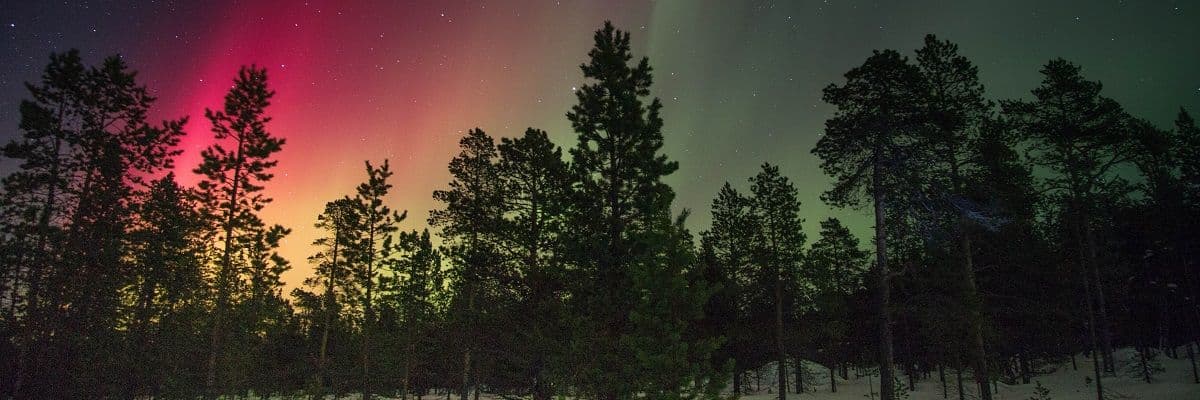
Where to see the Northern Lights in Iceland
Iceland is one of the best places to see the Northern Lights, which is more formally known as Aurora Borealis. The name is an amalgamation of the name Aurora, who is the Roman goddess of dawn, and Boreas, which is the as the Greek word for the north wind. It is an elusive and unpredictable natural phenomenon- which arguably makes it even more special to see.
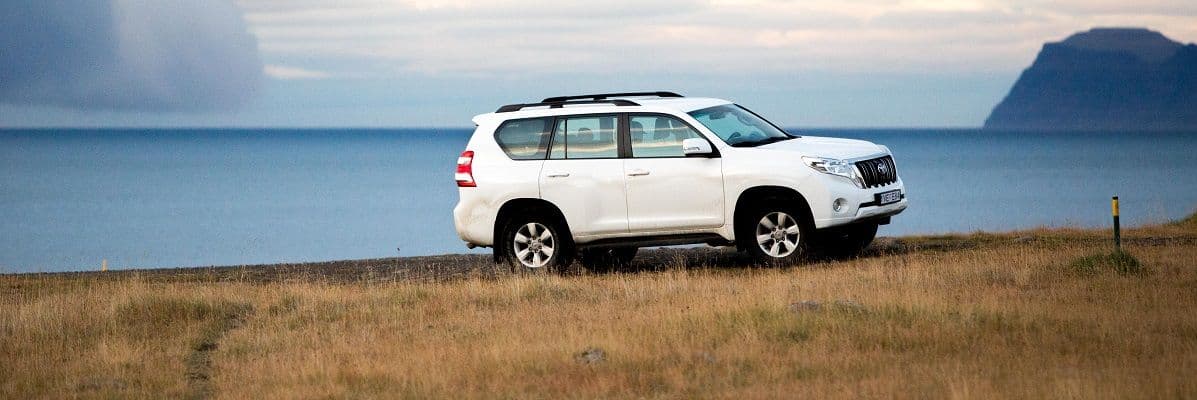
What causes the northern lights?
The northern lights in Iceland are caused by the collision of the sun’s solar wind with the earth’s magnetosphere. Find out more in our guide!
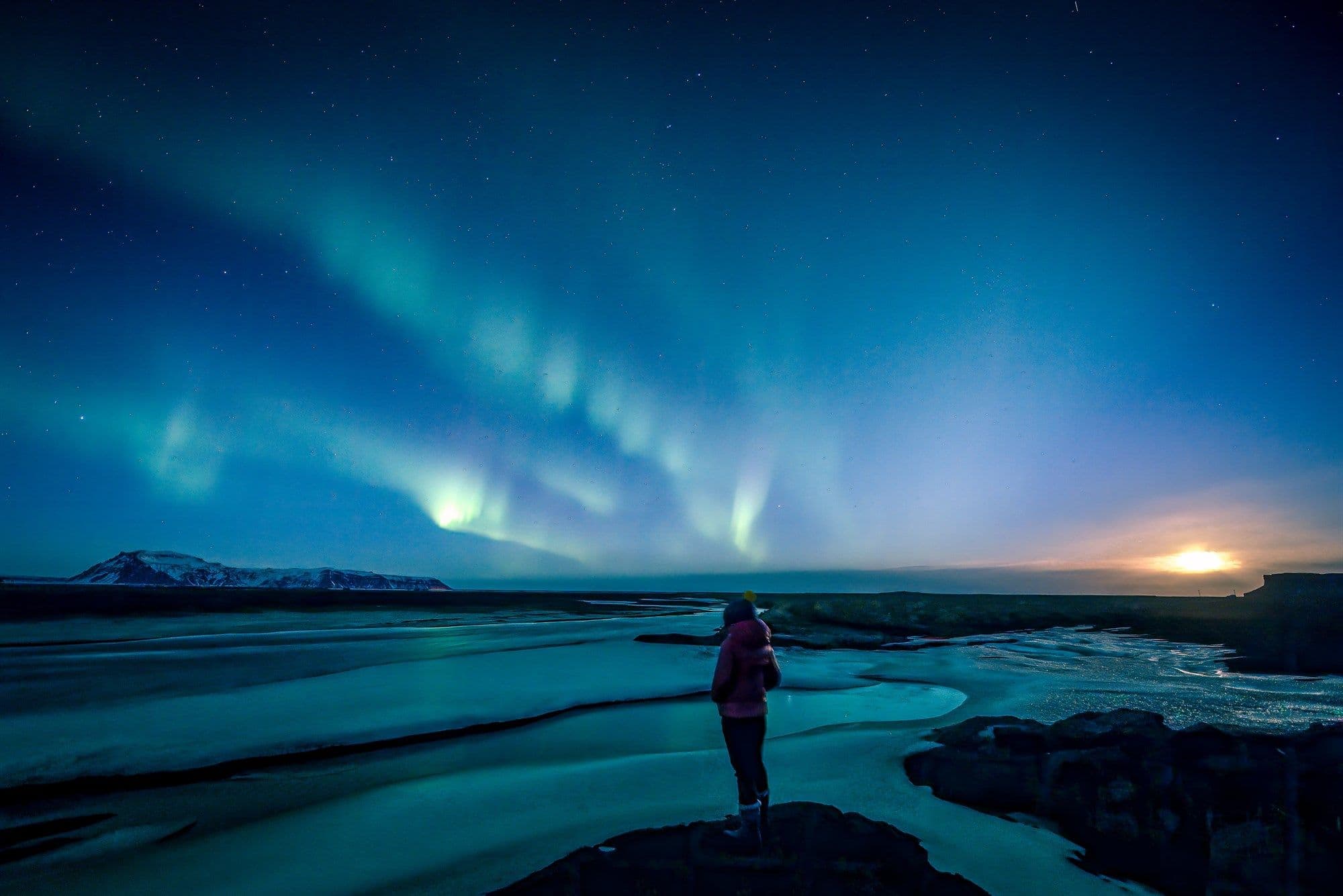
Top Tips for Photographing the Northern Lights
Seeing the northern lights dance across the sky is truly an unforgettable experience and one that everyone should try to see just once in their lifetimes.
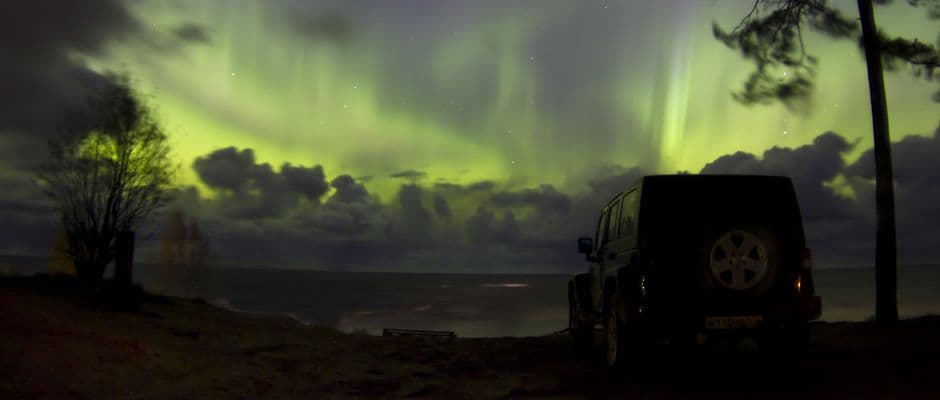
Hunting the Northern Lights in Iceland
Many people travelling to Iceland are hoping to see the Northern Lights, and for many, it is one of the main reasons for travelling to the country. But there is a lot of confusion about where and when the best time to see the northern lights is and how you can hunt them.
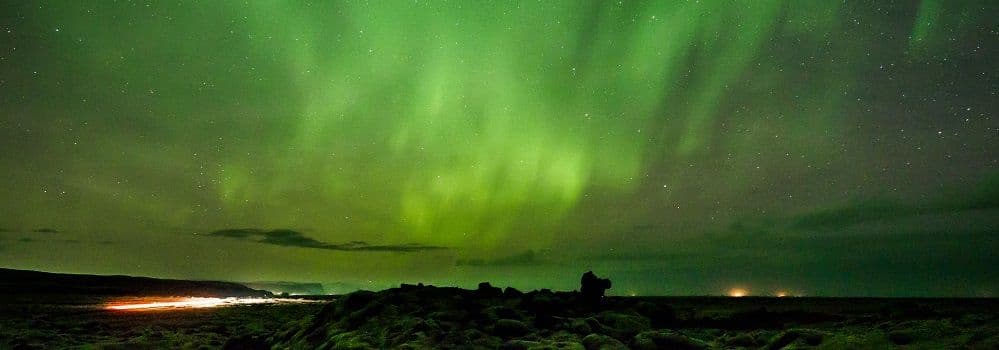
Chasing the Northern Lights in Iceland
If you are heading to Iceland thinking about chasing the northern lights, the best time to do so is during the winter months of late August to mid-April. This is when the country is darkest.
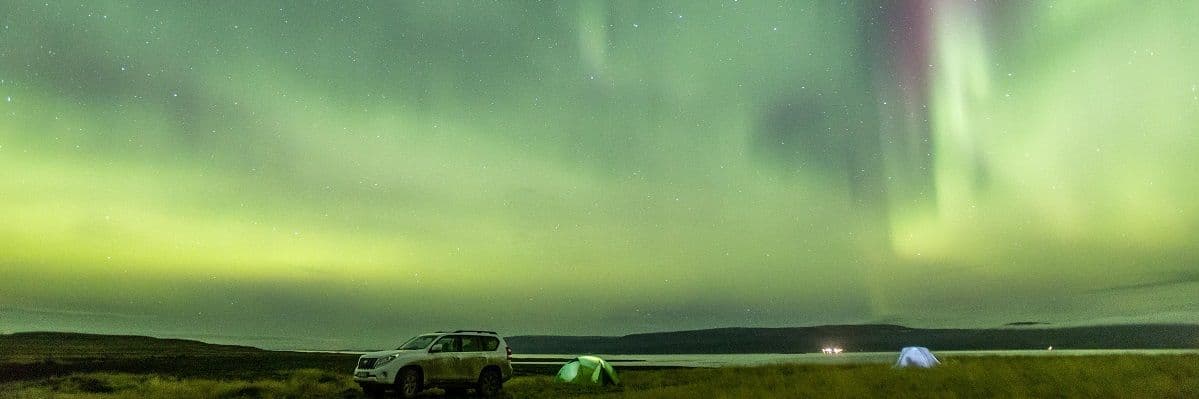
Aurora Borealis – Seeing the Northern Lights in Iceland
At the top of many peoples’ bucket lists is travelling to Iceland to see the Aurora Borealis, or the Northern Lights.