
The Best Guide to Driving in Iceland
Iceland, like most other countries, drives on the right side of the road. There are few one-lane bridges or one-way streets, but otherwise stick to the right. During icy or snowy weather you may be forced more central, so make sure you keep an eye out for oncoming traffic. The speed limits are written in km/h and are usually 50 km/h (31 mi/h) in urban areas, 80 km/h (49 mi/h) on gravel and 90 km/h (56 mi/h) on asphalt roads. Make sure that you stick to the limit, and there are many speed cameras across the country and there is a hefty fine if you break it.
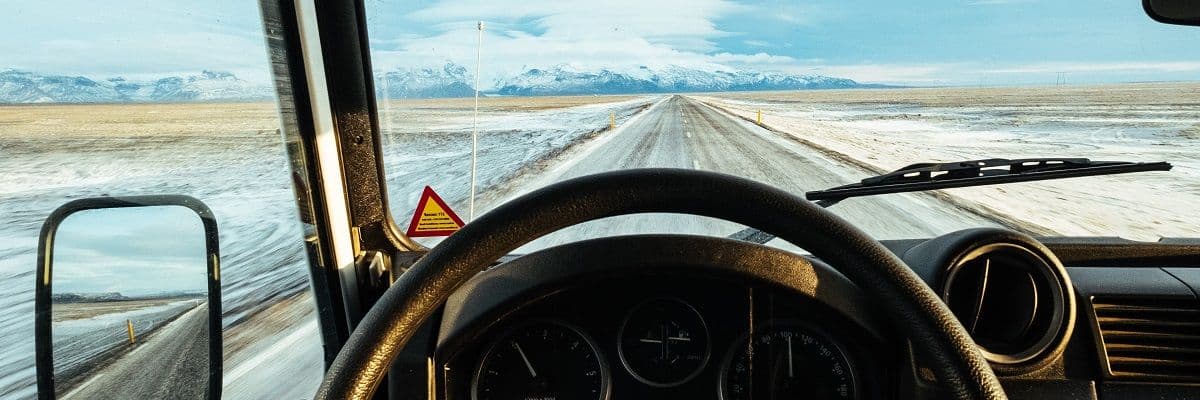
Driving in Iceland: Before You Set Off
Driving in Iceland is one of the best ways to explore the country, but preparation is key. Roads can be simple and scenic, but conditions can change quickly depending on the season and weather.
Road Rules and Speed Limits
Iceland drives on the right-hand side of the road. While most roads are straightforward, you may encounter one-lane bridges and narrow rural roads where extra caution is required.
Speed limits in Iceland are strictly enforced and are clearly marked:
- 50 km/h in urban areas
- 80 km/h on gravel roads
- 90 km/h on paved roads
Speed cameras are common, and fines are high, so always stick to the posted limits.
Driving License Requirements
Most travelers do not need an International Driving Permit as long as their license is in Latin characters, includes a photo, and has a valid license number. However, rental companies typically require:
- Minimum age of 21 years
- Minimum age of 23 years for 4x4 vehicles
- A valid license held for at least one year
Drivers under 25 may be subject to additional fees depending on the provider.
Navigation and Planning
You do not need advanced navigation tools to drive in Iceland. The road network is relatively simple, and major routes such as the Ring Road are well signposted.
However, in 2026, using offline maps or navigation apps is strongly recommended, as mobile signal can be limited in remote areas. Always plan your route in advance and allow extra time for stops, weather changes, and unexpected delays.
Driving in Iceland: Important Tips and Safety Rules
Headlights and Visibility
It is mandatory to keep your headlights on at all times, day and night. This improves visibility in changing weather conditions and is strictly enforced.
Weather Awareness
Icelandic weather can change rapidly, even in summer. Always check conditions before driving using official sources. In 2026, real-time updates from weather and road services are widely used and should be part of your daily planning.
Stay on Marked Roads
Driving off-road is strictly illegal in Iceland, regardless of your vehicle type. This protects the fragile environment and helps preserve Iceland’s natural landscapes. Always stay on marked roads, tracks, and designated parking areas.
Fuel Planning
Fuel stations can be spread far apart in rural areas. Always fill up your tank when you have the opportunity, especially before heading into remote regions. You can find more details in our guide to petrol stations in Iceland.
Alcohol and Driving
Iceland has a very low blood alcohol limit of 0.05. Even a small amount of alcohol can put you over the legal limit. The safest approach is simple: do not drink at all if you are driving.
Watch for Animals and Road Hazards
Sheep, horses, and other wildlife often roam freely, especially in summer. They can suddenly appear on the road, so always stay alert. Be cautious around scenic stops where other drivers may pull over unexpectedly.
Avoid Distractions
Distractions such as smoking, mobile phone use, or adjusting navigation while driving can increase risk. Many rental companies also prohibit smoking in vehicles, which can result in cleaning fees.
Emergency Number
In case of emergency, dial 112. It is recommended to save this number in your phone before starting your journey.
Driving in Iceland in 2026: What Has Improved
Driving in Iceland is now safer and more accessible than ever. Improvements include:
- Better road maintenance on major routes
- More real-time weather and road condition updates
- Clearer signage and improved safety information
- Wider availability of well-equipped rental vehicles
These developments make self-drive travel the preferred option for most visitors.
Driving in Winter: What You Need to Know
Winter driving in Iceland requires extra preparation and caution. The season typically runs from November to April, but conditions can vary.
- Limited daylight: Winter days are short, with only a few hours of daylight. Plan your driving carefully.
- Snow and ice: Roads can be slippery. All rental cars are equipped with winter tires, but careful driving is still essential.
- Strong winds: Iceland is known for powerful winds. Always hold car doors firmly when opening them.
- Variable conditions: Sudden snowstorms can occur. Avoid driving in severe weather.
In winter, a 4x4 vehicle is strongly recommended for better control and safety.
Essential Items for Driving in Iceland
- Sunglasses for glare in both summer and winter
- Warm clothing for unexpected stops
- Offline maps or navigation tools
- Snacks and water for longer drives
Final Tips for a Safe and Enjoyable Drive
Driving in Iceland is an incredible experience, offering access to some of the most breathtaking landscapes in the world. By preparing properly, respecting local rules, and staying aware of conditions, you can enjoy a safe and unforgettable road trip.
For more detailed advice, read our full driving in Iceland guide.