
How to Charge an Electric Car in Iceland: Complete 2026 Guide
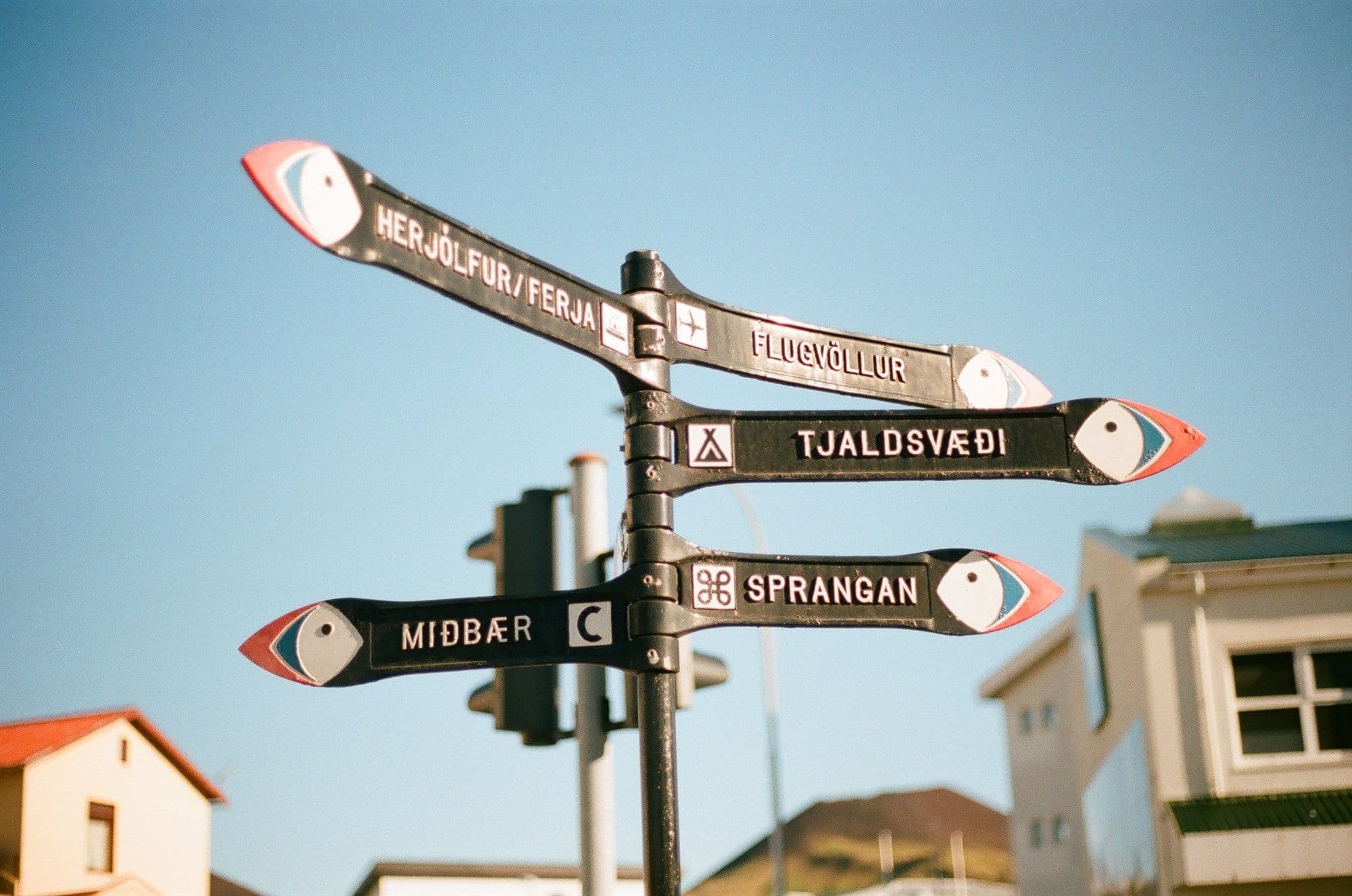
Updated for 2026: a practical guide for drivers exploring Iceland in an electric car.
Planning to rent an electric car in Iceland? Smart choice. Iceland runs on 100% renewable energy, offers comprehensive charging infrastructure across the Ring Road and major routes, and makes EV travel more affordable than petrol.
This guide explains everything you need, including which apps to download, where charging stations are located, exact costs by charger type, what to do when chargers fail, and winter-specific considerations. Whether you're driving the Golden Circle for a day or circling the entire country for a week, you'll know exactly how to stay charged.
For general tips on Renting a Car in Reykjavík and Driving in Iceland, check our other guides.
Why Iceland is Perfect for Electric Vehicle Travel
Iceland leads Europe in EV adoption, second only to Norway globally. In 2024, 26.5% of newly registered passenger cars were fully electric, and this figure climbs to 45% when focusing on general-use vehicles. The country plans to end new fossil-fuel car sales entirely by 2030, supported by infrastructure investment from networks like ON Power, Ísorka, and Tesla Superchargers.
Three factors make Iceland ideal for EV travel:
100% renewable electricity: Every charging session uses geothermal or hydropower energy - zero emissions from grid to wheels. No other country can claim this level of clean energy for EVs.
Comprehensive Ring Road coverage: Public chargers cover Reykjavik, Keflavik Airport, and every major town on Route 1. Fast chargers are strategically placed within 100km intervals along Iceland's primary highway, with more stations appearing in smaller villages monthly.
Cost savings over petrol: Charging a mid-size EV like a Kia EV6 from 10-80% costs around 3,000 ISK ($22 USD) - less than half the price of petrol for equivalent range. With Iceland's notoriously high fuel prices (averaging 300 ISK per liter), electric driving delivers substantial savings over multi-day trips.
The infrastructure is reliable, growing rapidly, and designed specifically to support Ring Road touring - the most popular way to experience Iceland.
Understanding Iceland's Charging Infrastructure (2025/2026 Overview)
Iceland's charging network has three distinct tiers, each serving specific use cases. Understanding the difference helps you plan efficient stops and control costs.
<iframe width="100%" height="480" style="border: 0;" src="https://chargefinder.com/en/share?lat=65&lng=-15.5&zoom=5" loading="lazy"></iframe>Types of Charging Stations
Standard Chargers (AC 7–22 kW)
Found at hotels, guesthouses, and shopping centres. Ideal for overnight charging. Expect 4–8 hours for a full battery.
Where you'll find them: Hotels, guesthouses, shopping centres, and street parking in Reykjavik
Best for: Overnight charging while you sleep or extended stops (4+ hours)
Charging time: 4–8 hours for a full battery from empty
Cost: 25-35 ISK per kWh ($11-15 USD full charge for 60kWh battery)
Strategy: Use these for free or discounted hotel charging. Many accommodations offer complimentary charging to guests. Always ask when booking.
Fast Chargers (DC 50–150 kW)
Perfect for road trips. Located at petrol stations, rest stops, and larger towns. Top up 60–80% in 30–60 minutes.
Cost: 45-55 ISK per kWh ($20-25 USD for 10-80% charge)
Strategy: Plan stops at attractions near fast chargers. Charge while visiting Seljalandsfoss or having lunch in Vik rather than making dedicated charging stops.

Ultra-Fast Chargers (DC 150–350 kW)
Where you'll find them: Near Reykjavik, Keflavik Airport, and major highways
Best for: Quick coffee breaks on long routes
Charging time: 20–30 minutes to reach 80% charge
Cost: 60-70 ISK per kWh ($26-30 USD for 10-80% charge)
Strategy: Use strategically when time matters more than money. Morning departures from Reykjavik or quick pre-flight top-ups near Keflavik.
Important note: Always verify your rental's plug type at pickup. Most EVs in Iceland use CCS Type 2 connectors, but older models may use CHAdeMO. Ask the rental desk to show you the charging port and compatible plug types before leaving.
The Main Charging Networks in Iceland
ON Power
The largest network in Iceland. Over 130 chargers nationwide. Download the ON app to locate and start charging instantly. Supports credit and debit card payments.
Coverage: Over 130 public chargers nationwide - Iceland's largest network
Locations: Reykjavik (28 locations), Ring Road towns, South Coast, Westfjords
Network type: Mix of AC (22kW), DC fast (50kW), and ultra-fast (150-250kW) chargers
Payment: On the Power app with a credit/debit card, or contactless payment at newer stations
Reliability: Excellent uptime, 24/7 support hotline: +354-515-9000
Why use ON Power: Most comprehensive coverage means you'll rarely encounter charging deserts. The app shows real-time availability and allows remote session start.
Ísorka
Coverage: 3,000+ charging points across Iceland, primarily urban and suburban
Locations: Excellent Reykjavik coverage, expanding to tourist routes
Network type: Focus on AC (22kW) and DC fast (50-150kW) chargers
Payment: Ísorka app with integrated payment and live station status
Reliability: Powers 10,000+ weekly charging sessions - proven dependability
Why use Ísorka: Best for city driving and accommodations in Reykjavik. Many hotels partner with Ísorka for guest charging.
N1 Energy
Stations are often co-located with petrol forecourts. Great for mixed petrol and EV fleets. Fast chargers are available on key highways.
Coverage: Stations co-located with N1 petrol forecourts nationwide
Locations: Ring Road, major highways, tourist routes
Network type: Primarily DC fast chargers (50-150kW)
Payment: N1 app, credit card, or contactless at stations
Reliability: Familiar locations for petrol car drivers transitioning to EVs
Why use N1: Convenient rest stops with facilities (toilets, shops, cafes) while charging. Locations align with traditional fuel breaks.
Tesla Superchargers
Currently expanding across the country. Found in towns like Kirkjubæjarklaustur, Höfn, Akureyri, and Egilsstaðir. Open to Tesla drivers and choose CCS-compatible EVs.
Coverage: Expanding network with 7 locations as of 2025
Locations: Kirkjubæjarklaustur, Höfn, Akureyri, Egilsstaðir, and Reykjavik area
Network type: Ultra-fast DC charging (150-250kW)
Compatibility: Tesla vehicles and select CCS-compatible EVs
Payment: Tesla app (required). Download and set up your account before arrival
Why use Tesla: Fastest charging available for compatible vehicles. Strategic Ring Road placement.
Note: Superchargers work ONLY with the Tesla app - no alternative payment methods.
Essential Apps: Download Before You Arrive
Charging in Iceland runs on mobile apps, not luck. Download these three apps before leaving Keflavik Airport. Cell coverage can be spotty in rural areas, so having apps pre-installed with offline map features is critical.
PlugShare (Universal Charging Map)
What it does: Shows every charging station in Iceland, regardless of network operator
Key features:
- Real-time user reviews and photos identify broken or occupied chargers
- Filter by plug type (CCS, CHAdeMO, Type 2), charging speed, and network
- Offline map capability - works without a data connection in remote areas
- User-reported issues alert you to problems before you arrive
Why it's essential: PlugShare is your backup when primary apps fail or show incorrect information. Travelers regularly update station status, helping you avoid driving to broken chargers.
Pro tip: Before each day's drive, save your planned charging stops for offline access. Toggle the "Available" filter to exclude broken chargers reported in the last 48 hours.
ON Power App
What it does: Locates ON Power chargers, shows live availability, starts/stops charging sessions
Key features:
- Scan the QR code at the station to begin charging instantly
- Check real-time availability before driving to the station
- Payment via saved credit/debit card in the app
- Session history for expense tracking
Why it's essential: ON Power operates Iceland's largest network. Without the app, you'll miss 130+ charging locations.
Pro tip: Add a payment card and create an account before your first charging session. Standing in the wind and rain trying to register your card is miserable.
Ísorka App
What it does: Accesses Ísorka's 3,000+ charging stations with live status updates
Key features:
- Real-time station status (available, occupied, out of service)
- Secure in-app payment processing
- Charging session management (start, stop, monitor progress)
- Integration with hotel and accommodation charging networks
Why it's essential: Critical for Reykjavik and suburban charging. Many hotels use Ísorka infrastructure.
Pro tip: If staying in Reykjavik, use Ísorka to find free street charging spots. Filter for "Available" and "Free" to locate overnight parking with complimentary charging.
Google Maps (Quick Location Checks)
What it does: Quick search for "EV charging stations" shows nearby options
Key features:
- Integrated with Google Maps navigation, you're already using
- Shows charging locations without switching apps
- User reviews and photos provide context
- Business hours and contact information
Why it's useful: Convenient for spontaneous charging needs. Not as detailed as specialized apps, but fast for basic location info.
ABRP - A Better Routeplanner (Trip Planning Tool)
What it does: Plans EV routes with charging stops based on your vehicle's battery size, terrain, and weather
Key features:
- Vehicle-specific range calculations
- Charging stop recommendations with duration estimates
- Real-time weather impact on range
- Alternative route suggestions
Why it's useful: Takes the guesswork out of long trips. Enter your vehicle model and destination - ABRP calculates optimal charging stops.
Pro tip: Set your preferred charging level to 80% rather than 100%. Charging slows dramatically above 80%, and you'll save 15-20 minutes per stop.
Charging Costs: What You'll Actually Pay in 2025
EV charging remains significantly cheaper than petrol despite recent price adjustments. Here's what to expect for different charger types in late 2025.
Cost Breakdown by Charger Type
<table class="table table-striped table-bordered" border="2"><tbody><tr><td><p><b>Charger Type</b></p></td><td><p><b>Price (ISK per kWh)</b></p></td><td><p><b>Example Full Charge (60 kWh)</b></p></td><td><p><b>Cost in USD</b></p></td></tr><tr><td><p><span style="font-weight: 400;">AC Slow (7-22kW)</span></p></td><td><p><span style="font-weight: 400;">25-35 ISK</span></p></td><td><p><span style="font-weight: 400;">1,500-2,100 ISK</span></p></td><td><p><span style="font-weight: 400;">$11-15</span></p></td></tr><tr><td><p><span style="font-weight: 400;">DC Fast (50-150kW)</span></p></td><td><p><span style="font-weight: 400;">45-55 ISK</span></p></td><td><p><span style="font-weight: 400;">2,700-3,300 ISK</span></p></td><td><p><span style="font-weight: 400;">$20-25</span></p></td></tr><tr><td><p><span style="font-weight: 400;">Ultra Fast (150-350kW)</span></p></td><td><p><span style="font-weight: 400;">60-70 ISK</span></p></td><td><p><span style="font-weight: 400;">3,600-4,200 ISK</span></p></td><td><p><span style="font-weight: 400;">$26-30</span></p></td></tr></tbody></table>Real-world example: Charging a Kia EV6 (77kWh battery) from 10% to 80% at a DC 50kW fast charger:
- Charge needed: ~54 kWh (70% of 77kWh battery)
- Cost at 50 ISK/kWh: 2,700 ISK
- USD equivalent: ~$19-20
- Comparable petrol cost for the same range (350km): ~4,800 ISK ($34-36)
- Savings per charge: 2,100 ISK ($15-16)
Multi-Day Trip Cost Comparison
7-Day Ring Road Trip (1,340km) Total Costs:
Kia EV6 / Tesla Model Y (Electric):
- Full charges needed: 2-3 (depending on weather and driving style)
- Total charging cost: 8,000-11,000 ISK ($57-79 USD)
- Daily average: 1,140-1,570 ISK ($8-11 USD)
- Charging time investment: 90-120 minutes total across all stops
Toyota RAV4 / Similar Petrol SUV:
- Fuel needed: ~110-120 liters at 300 ISK/liter
- Total fuel cost: 33,000-36,000 ISK ($236-257 USD)
- Daily average: 4,700-5,140 ISK ($34-37 USD)
- Refueling time: 20-30 minutes total (3-4 stops)
Total savings (electric): 22,000-28,000 ISK ($157-200 USD)
The time difference (60-90 extra minutes) is absorbed during meal breaks and sightseeing stops if you plan strategically.
Budget traveler tip: Maximize free hotel charging. If you charge overnight at accommodations (often complimentary) and only pay for one mid-trip fast charge, your total 7-day charging cost drops to 3,000-4,000 ISK ($21-29 USD) - saving 30,000+ ISK compared to petrol.
Compare current petrol prices on our Fuel Prices Guide.
Where to Charge on Iceland's Most Popular Routes

Understanding charging locations for specific routes eliminates anxiety and helps you plan realistic daily distances.
Golden Circle (300km loop from Reykjavik)
Range requirement: Most EVs complete this loop on a single charge
Charging options:
- Selfoss (45km from Reykjavik): ON Power DC fast charger, Ísorka AC chargers
- Laugarvatn (80km from Reykjavik): Multiple AC chargers near hotels
- Geysir area (100km): DC fast charger at visitor center
Strategy: Depart Reykjavik with 90-100% charge. Stop in Selfoss only if needed (unlikely for modern EVs with 300+ km range). Complete loop with 40-50% remaining.
Charging cost: Usually zero - complete on departure charge
Time saved: No charging stops needed
If you need a detailed itinerary, check our guide How to Drive the Golden Circle.
South Coast: Reykjavik to Vík (180km)
Range requirement: 220km minimum with buffer for weather conditions
Charging options:
- Hveragerði (45km from Reykjavik): ON Power DC fast and AC chargers
- Hvolsvöllur (106km): N1 DC fast charger at petrol station
- Vík (186km): ON Power and Ísorka DC fast chargers
Recommended strategy:
- Depart Reykjavik: 90% charge
- Arrive Hveragerði (45km): 75% remaining - skip charging, continue
- Seljalandsfoss stop (132km): Still ~55% charge - explore waterfall
- Skógafoss stop (152km): ~45% charge -photograph falls
- Charge in Vík (186km): Arrive at 25-30%, charge to 80% while having lunch (30-40 minutes)
- Cost: 2,000-2,500 ISK ($14-18 USD)
Total trip time: 3 hours driving + 30-40 minutes charging + sightseeing = 5-6 hours
Alternative: Skip Vík charging if returning to Reykjavik the same day. Charge to 80% in Hveragerði on the return journey (35 minutes).
Ring Road Complete Circuit (1,340km)
Daily range requirement: 200-250km average (5-6 day itinerary)
Charging strategy: One charge per day, typically at lunch stop or evening arrival
Day-by-day charging locations:
Day 1: Reykjavik - Vík (186km)
- Evening charge: Vík ON Power DC fast charger
- Cost: 2,500 ISK
Day 2: Vík - Höfn (270km)
- Lunch charge: Kirkjubæjarklaustur Tesla Supercharger or ON Power (90km from Vík)
- Evening charge: Höfn, ON Power DC charger
- Cost: 2,500-3,000 ISK each stop
Day 3: Höfn - Egilsstaðir (265km)
- Mid-route charge: Djúpivogur (70km from Höfn)
- Evening charge: Egilsstaðir ON Power/Tesla Supercharger
- Cost: 2,500-3,000 ISK each stop
Day 4: Egilsstaðir - Akureyri (260km)
- Lunch charge: Mývatn area (100km north of Egilsstaðir)
- Evening charge: Akureyri, multiple networks available
- Cost: 2,500-3,000 ISK
Day 5: Akureyri - Borgarnes (280km)
- Lunch charge: Blönduós or Skagaströnd (halfway point)
- Evening charge: Borgarnes ON Power
- Cost: 2,500-3,000 ISK each stop
Day 6: Borgarnes - Reykjavik (70km)
- No charging needed - arrives with 60-70% remaining
Total Ring Road charging cost: 14,000-18,000 ISK ($100-130 USD)
Equivalent petrol cost: 36,000-40,000 ISK ($257-286 USD)
Savings: 18,000-26,000 ISK ($129-186 USD)
Reykjanes Peninsula (Day Trip from Reykjavik)
Range requirement: 150km total - easy for any EV
Charging options:
- Grindavík: Multiple chargers near Blue Lagoon
- Keflavik: ON Power and Ísorka chargers throughout town
- Reykjanesbær: Several charging options near the airport
Strategy: Most EVs complete this trip without charging. Depart with an 80-90% charge, return with 40-50%.
See our guide Best Things to Do on the Reykjanes Peninsula.
Important Note About F-Roads and Highlands
F-roads and highland routes have zero charging infrastructure. These remote gravel roads - often requiring 4x4 vehicles - lack electricity altogether. EVs are not suitable for F-road exploration beyond paved approach roads.
Affected routes:
- F-road access to Landmannalaugar
- Kjölur Route (F35)
- Sprengisandur Route (F26)
- Askja caldera access
If your itinerary includes F-roads, rent a petrol or diesel 4x4 instead. Learn more in Our Guide to F Roads in Iceland.
Step-by-Step: How to Charge Your EV in Iceland
The charging process is standardized across networks. Here's what to expect at your first Icelandic charging session.
Before arriving at the station:
- Open your chosen app (ON Power, Ísorka, or PlugShare)
- Verify station availability in real-time - don't rely on "usually available"
- Check the station location on the map. Some stations are tucked behind buildings or in parking garages
- Note plug type compatibility with your vehicle
At the charging station:
- Park properly so your charge port aligns with cable length (usually driver's side rear for European EVs)
- Don't block other charging spots or general parking - EV etiquette matters
- Unlock the charge port via the car's touchscreen or by pressing the port door once
- Match plug type to your vehicle - CCS Combo 2 for most modern EVs, CHAdeMO for older models
- Plug in firmly until you hear/feel a click - loose connections prevent charging
- Start session via app QR code scan or charger touchscreen
- Confirm charging started by checking the car's display (shows charging current and estimated time)
During charging:
- Don't leave the car unattended for extended periods. Be ready to move within 15-20 minutes of a full charge
- Use charging time productively - have a meal, visit an attraction, buy snacks
- Monitor progress via app - most notify when 80% reached (optimal stopping point)
- Watch for parking fees - some stations charge 500-1,000 ISK after 4 hours to prevent overnight parking
Ending session:
- Stop charging via the app or the charger touchscreen before unplugging
- Unplug the cable and return to the holster - don't leave cables on the ground
- Lock charge port (usually automatic when cable removed)
- Move vehicle promptly - don't occupy the charging spot after the session ends
- Check receipt in app - verify cost aligns with expected kWh rate
Pro tip: Always carry wet wipes or hand sanitiser. Charging cables can be dirty from lying on the ground or exposure to weather.
Winter EV Charging: What Changes in Cold Weather
Iceland's winter (November-April) presents unique EV challenges. Understanding these helps you plan realistic range expectations and avoid problems.
How Cold Affects Battery Performance
Range reduction: Expect 20-35% reduced range in temperatures below 0°C
- At -5°C: ~25% reduction (400km range becomes 300km)
- At -15°C: ~35% reduction (400km range becomes 260km)
- At -25°C: ~40% reduction (rare in coastal Iceland, common in highlands)
Why it happens: Cold temperatures slow chemical reactions in lithium batteries, reducing available energy. Cabin heating also draws significant power - up to 3-5 kW continuously.
Example: Reykjavik to Vík in summer (186km) uses ~45% battery. The same trip in January uses ~60% battery due to cold and heater use.
Cold Weather Charging Challenges
Slower charging speeds: Batteries must warm to optimal temperature (15-25°C) before accepting full charging current
- First 10-15 minutes at charger: Reduced speed (30-40% of normal rate)
- After battery warms: Normal charging speed resumes
- Total time increase: 10-20 minutes per charging session
Cable handling: Charging cables become stiff in cold, making plug insertion difficult
- Warm the cable slightly with your hands before connecting
- Support cable weight to align the plug properly
- Don't force - cold cables can crack if bent sharply
Touchscreen challenges: Car touchscreens respond slowly in extreme cold
- Preheat the cabin while still plugged in at the hotel to warm the systems
- Some charging apps work better than car touchscreens in cold weather
Winter Charging Strategy
- Preheat while plugged in: Schedule cabin preheating 30 minutes before departure while connected to the charger. Uses grid power instead of battery, preserving range
- Charge to higher levels: Aim for 85-90% rather than 80% to compensate for cold-weather range reduction
- Plan shorter daily distances: Reduce daily driving from 250km to 180-200km in winter to account for range loss
- Seek indoor/covered charging: Some stations offer heated garages or covered parking - prioritize these in extreme cold
- Akureyri: Several covered charging stations
- Reykjavik: Underground parking garages with chargers
- Egilsstaðir: Indoor charging at some hotels
- Monitor weather forecasts: Check road.is and SafeTravel.is daily - winter driving conditions change rapidly
For comprehensive winter driving guidance, read What is Iceland Really Like in Winter? and Our Guide to Driving in the Snow.
What to Do When Chargers Fail: Backup Planning
Even reliable networks experience occasional failures. Having contingency plans prevents being stranded.
Before Each Day's Drive
Identify 2-3 charging options for each planned stop - never rely on a single charger
- Example: If planning to charge in Vík, note chargers in Hvolsvöllur (30km before) and Kirkjubæjarklaustur (75km after)
Check recent user reviews on PlugShare for "Station broken" or "Occupied for hours" reports
Download offline maps showing all charging stations on your route - cell coverage fails in remote areas
Save emergency contact numbers:
- ON Power support: +354-515-9000 (24/7)
- Ísorka support: Available via app chat
- Rental company roadside assistance: Number on rental agreement
At a Broken Charger
Step 1: Don't panic - assess remaining range and nearest alternative charger (usually 15-30km in Iceland)
Step 2: Report the issue via PlugShare and the network app so other travellers are warned
Step 3: Check alternative plug types - if CCS is broken, perhaps CHAdeMO works (requires adapter in some vehicles)
Step 4: Navigate to the backup charger using a map app with real-time traffic (accounts for weather delays)
Step 5: Drive efficiently to the backup:
- Reduce speed to 60-70 km/h
- Turn off the heater/AC temporarily
- Minimize acceleration
- Use the regenerative braking maximum setting
At an Occupied Charger (All Spots Taken)
For DC fast chargers (30-60 min sessions):
- Check if the vehicle is actively charging (look for the charging indicator light)
- Wait 15-20 minutes - most sessions complete within this window
- If the driver returns, they often finish soon
- Use wait time for restroom break, snack
If the vehicle is parked but not charging:
- Check for the contact note on the dashboard
- Politely knock on cafe/restaurant windows if the car is near the building
- Report via app if vehicle blocks charger without charging (poor etiquette)
If chargers are occupied >60 minutes:
- Drive to the backup charger rather than waiting indefinitely
- In popular tourist areas (Vík, Höfn), midday (12-3pm) is busiest - arrive earlier/later
Emergency Low Battery Situations
Below 15% charge with no charger in range:
- Reduce speed to 50 km/h - drastically extends range
- Turn off all accessories (radio, heated seats, AC)
- Follow trucks/buses to draft (safely) - reduces wind resistance
- Contact the rental company for assistance before reaching 5%
- If in a rural area, ask locals or hotels for extension cord access (slow AC charging is better than nothing)
Some hotels allow emergency charging even for non-guests for a fee (1,000-1,500 ISK) - call ahead and ask.
Hotel Charging: Free Power and Etiquette
Many Icelandic hotels, guesthouses, and Airbnbs offer EV charging, often free for guests. Taking advantage dramatically reduces trip costs.
How Hotel Charging Works
Availability: Typically 1-3 charging spots per property (larger hotels may have 4-6)
Access method:
- Dedicated chargers: The hotel provides an access card or app code
- Standard outlets: Some offer 220V outlets for slow charging (hotel cable often required)
- Partnership networks: Properties partnered with Ísorka/ON give guests free charging codes
Reservation policy:
- First-come, first-served at most hotels - cannot reserve a specific charging spot
- Rare exceptions: Some premium hotels allow charging spot reservations for an additional fee
Charging Etiquette
Do:
- Arrive early (before 6 PM) to claim a spot in the summer peak season
- Unplug by 8 AM if fully charged overnight - allows others to charge
- Move the vehicle after the charge completes if the parking lot is full
- Inform the front desk when connecting so they can track usage
- Ask permission before using outlets, not all exterior outlets are available for EV charging
Don't:
- Occupy charging spot all night after reaching 100% (usually takes 4-6 hours)
- Unplug other vehicles without permission - extremely poor etiquette
- Use charging without notifying the hotel - some charge fees for non-guests
- Leave charging cables stretched across pedestrian paths
Cost for Non-Guests
Most hotels do not allow non-guest charging, but exceptions exist:
- Typical fee: 500-1,500 ISK for 2-4 hours of charging
- Call ahead to ask - it saves a wasted trip
- Some cafes/restaurants near hotels offer charging for paying customers
Hotels with Reliable EV Charging
Properties known for EV-friendly amenities (as of 2025):
- Fosshótel chain: Most locations offer guest charging
- Berjaya Iceland Hotels: Akureyri, Egilsstaðir, and Hamar locations
- Icelandair Hotels: Reykjavik and Akureyri properties
- KEA Hotels: Downtown Akureyri location
Always confirm at booking: "Does your property offer electric vehicle charging for guests?" Don't assume based on previous stays - availability changes.
How Far Can You Drive on One Charge?
Most modern EVs in Iceland go 300 to 500 km per full charge, but factors like weather and driving style matter.
Factors That Reduce Range
Cold temperatures (most significant in Iceland) can drop 20 to 30 percent. If you are planning a trip during the colder months, read What is Iceland really like in Winter? and review Our Guide to Driving in the Snow.:
- Below 0°C: 20-30% range reduction
- Below -10°C: 30-40% range reduction
- Battery preheating recommended at <-5°C
Strong headwinds (common on exposed coastal roads):
- 30 km/h headwind: 10-15% range reduction
- 50 km/h headwind: 20-25% range reduction
- Crosswinds require constant steering correction, reducing efficiency 5-10%
Heavy loads and roof boxes:
- Full luggage: 3-5% range reduction
- Roof box: 10-15% range reduction (significant aerodynamic penalty)
- Bike racks: 5-8% range reduction
Aggressive acceleration and high speeds:
- 90-100 km/h constant: Baseline efficiency
- 100-110 km/h: 10-15% range reduction (quadratic wind resistance increase)
- Rapid acceleration: 5-10% range reduction over trip
Elevation changes:
- Climbing: Uses significant energy (not as recoverable as gravity suggests)
- Descending: Regenerative braking recovers 60-70% of potential energy
- Net effect: Mountainous routes use 10-20% more energy than flat routes
How to Extend Your Range
Use Eco Mode:
- Limits acceleration and top speed
- Reduces climate control power draw
- Optimizes regenerative braking
- Typical gain: 10-15% range extension
Preheat the car while plugged in:
- Warm the car using the charger before departure
- Reduces the need for the heater during the drive
- Typical gain: 5-10% range extension in cold weather
Drive at moderate speeds (80-90 km/h):
- 80 vs 100 km/h: 15-20% better efficiency
- Iceland's speed limit is 90 km/h on highways - following the limit maximizes range
Use regenerative braking:
- Set to maximum/one-pedal driving mode
- Anticipate stops to recover energy
- Typical gain: 8-12% range extension in mixed driving
Why Going Electric in Iceland Makes Sense
Cheaper running costs. Electricity is roughly one-third the cost of petrol.
Sustainability. The grid is powered by renewable energy.
Quiet driving. Ideal for Iceland's scenic routes and wildlife-rich areas.
City perks. Many Reykjavik hotels now offer free or discounted charging.

Final Pre-Departure Checklist
Before collecting your rental EV at Keflavik Airport or downtown Reykjavik:
Apps downloaded and configured:
- ON Power app with payment card added
- Ísorka app with account created
- PlugShare with offline maps for your route downloaded
- ABRP with your vehicle model entered, and route planned
- Google Maps updated with an offline Iceland map
At the rental pickup counter:
- Ask staff to confirm plug type (usually CCS Type 2)
- Request a demonstration of the charging port location and how to open it
- Verify battery delivery level (should be 70-80% minimum)
- Clarify return battery level requirement (typically 70% minimum)
- Understand charging cable location (usually under trunk floor)
- Get emergency roadside assistance number and add to contacts
Route planning:
- Identify charging locations for each day's drive
- List 2-3 backup chargers for each planned stop
- Know daily distance targets (200-250km summer, 150-200km winter)
- Bookmark accommodation charging availability
- Save road.is and SafeTravel.is for daily condition checks
Winter-specific (November-April):
- Reduce daily driving distances by 30% to account for range loss
- Plan charging to higher levels (85-90% vs summer's 80%)
- Check if the hotel offers indoor/covered charging
- Review winter driving guide: Driving in the Snow
Safety and legal:
- Understand Iceland's driving laws: Driving Laws In Iceland
- Know F-roads are prohibited for EVs (no charging infrastructure)
- Save emergency number: 112 (police, fire, ambulance)
- Confirm rental insurance coverage for undercarriage damage (battery location)
Drive Smart, Drive Electric
Exploring Iceland in an electric car combines environmental responsibility with practical efficiency and significant cost savings. From Keflavik Airport to Vík's black sand beaches, from Akureyri's northern charm to the complete Ring Road circuit - renewable energy powers your entire Icelandic adventure.
The charging infrastructure is comprehensive, the apps are straightforward, the costs are transparent, and the experience is quieter and more enjoyable than you might expect. With proper planning and the strategies outlined in this guide, range anxiety disappears, and EV travel becomes just... travel.
Ready to rent your electric car for Iceland? View our EV rental fleet or continue reading about Iceland's best driving routes.