
How Iceland has Flattened the Coronavirus Curve
You may have seen recent very positive news announcing that Iceland will be reopening borders to visitors by 15th of June. Iceland is one of the first countries to put into place a plan to work towards such as this, which might raise a few questions. Firstly, how does the Icelandic government plan to keep visitors safe once the borders are opened again, and lastly, how is Iceland able to put such a plan into action so soon?
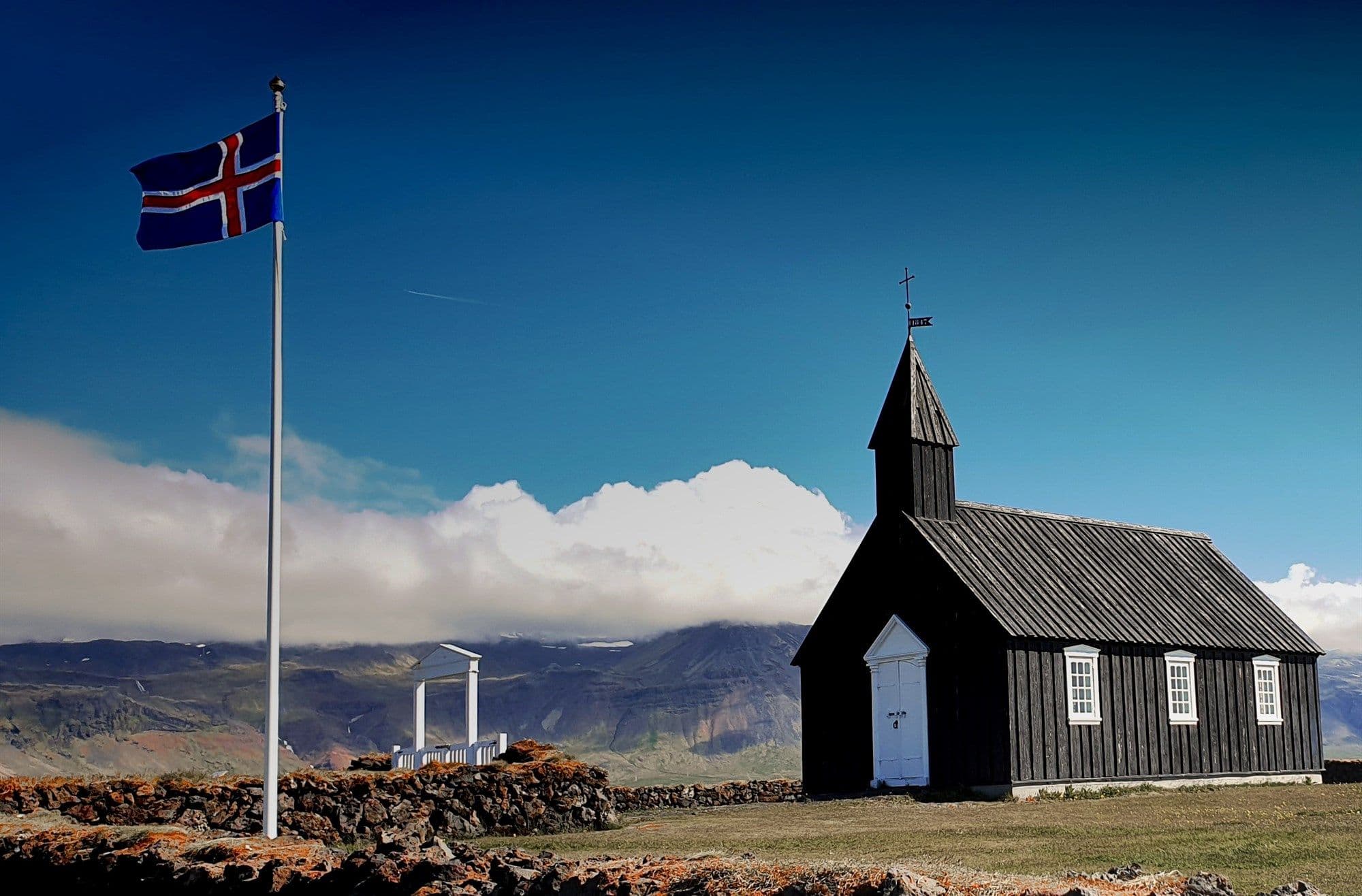
Iceland Reopening to Travel: What Happened and What It Means Today
Iceland made global headlines when it announced plans to reopen its borders to international visitors in June 2020. At the time, it was one of the first countries to introduce a structured and science-based approach to restarting tourism safely. Travelers entering Iceland were required to either quarantine, take a COVID-19 test on arrival, or provide valid health certification.
How Iceland Managed COVID-19 Successfully
Iceland’s response to COVID-19 was widely regarded as one of the most effective in the world. The country avoided strict lockdowns while still maintaining strong control over the spread of the virus through early action, public cooperation, and a clear strategy.
Early Action and Public Trust
Iceland introduced hygiene measures and social distancing guidelines early in the pandemic. Rather than enforcing strict lockdowns, the government relied on public trust and clear communication. With a small population and low population density, this approach proved highly effective in limiting transmission.
Widespread Testing and Contact Tracing
One of the key reasons Iceland controlled the spread so well was its extensive testing program. A significant portion of the population was tested, and contact tracing was handled quickly and efficiently. Individuals who tested positive were interviewed, and their close contacts were identified and tested, helping to stop outbreaks early.
Coronavirus in Iceland: Then vs Now
At the time of the initial reopening, Iceland had relatively low case numbers compared to many other countries. This allowed the country to cautiously restart tourism while maintaining safety measures.
Travel to Iceland in 2026: What You Need to Know
Today, in 2026, travel to Iceland is fully open and operates without COVID-19 restrictions. There are no requirements for testing, quarantine, or vaccination certificates for entry. Tourism has returned to strong levels, and Iceland remains one of the safest and most accessible destinations for international travelers.
What Has Changed Since COVID-19
While restrictions are no longer in place, the pandemic has had a lasting impact on travel habits in Iceland:
- Travelers now prioritize flexibility and self-drive experiences
- Road trips around Iceland have become more popular than ever
- Health awareness and cleanliness standards remain high across tourism services
- Digital booking and contactless services are now widely available
Why Iceland Is Still One of the Safest Travel Destinations
Iceland continues to rank as one of the safest countries in the world. Its low population density, strong healthcare system, and well-maintained infrastructure make it an ideal destination for travelers looking for both adventure and peace of mind.
Planning Your Trip to Iceland Today
If you are planning a trip to Iceland in 2026, the best way to explore the country is by car. Self-drive travel gives you the flexibility to visit remote locations, avoid crowds, and experience Iceland’s landscapes at your own pace.
Whether you are visiting waterfalls, glaciers, volcanoes, or countryside farms, having your own vehicle allows you to make the most of your trip. Browse our fleet to find the right car for your Iceland adventure.