
Iceland Driving Laws: From Speed Limits to Off-Roading
Many people are apprehensive about driving in Iceland, mainly because of the weather conditions, which is understandable. Iceland’s weather can change quickly and can be treacherous at times. But there are a few driving laws in Iceland that you should be aware of before you hit the road, no matter the weather.
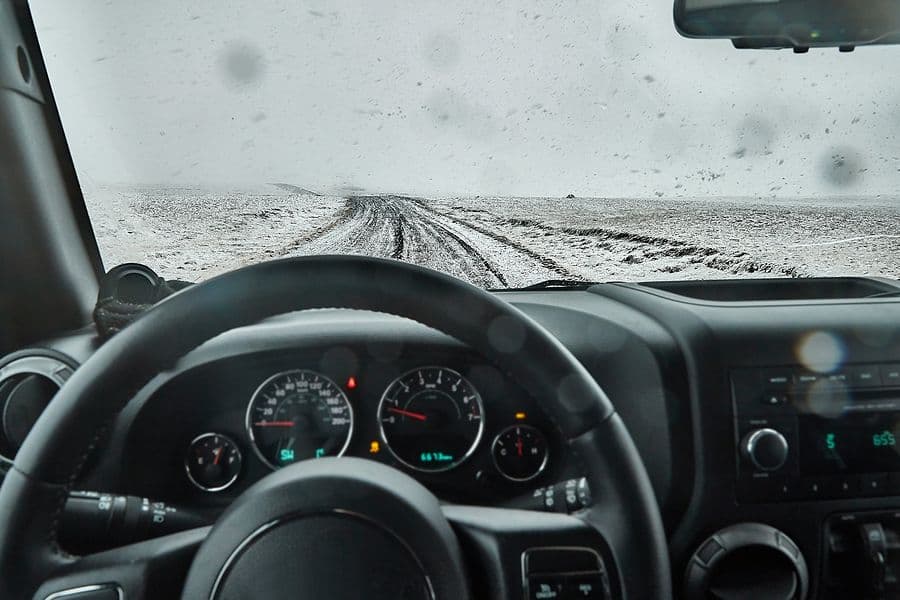
Any time that you travel to a new country, it takes a bit of research and some learning to make sure that you’re ready to drive on the roads. Many people are apprehensive about driving in Iceland, mainly because of the weather conditions, which is understandable. Iceland’s weather can change quickly and can be treacherous at times. But there are a few driving laws in Iceland that you should be aware of before you hit the road, no matter the weather.
See below for some common driving laws in Iceland, and before long, you’ll be ready to drive the endless roads across Iceland’s expansive and beautiful landscapes!
If you’re traveling with young children, you should also read our guide to car seats and child boosters in Iceland.
Follow these Driving Rules in Iceland

In Iceland, it’s important to remember a few key things when you’re driving. Because Iceland is a unique country with unpredictable weather, gravel roads, and other factors, you may encounter some unique driving laws. Below, we’ve provided an overview of these.
-
First and foremost, traffic in Iceland moves on the right side of the road. This is important if you are visiting from some countries that favor left-hand drive, which you may find confusing at first.
-
You should drive with your headlights on at all hours of the day. This is because weather conditions can change very quickly, and you could find yourself in the middle of a sandstorm without warning.
-
You must always wear your seatbelt when you are in a moving car in Iceland, whether you are the driver or a passenger.
-
It’s also very important that you remember it is illegal to make calls when driving your car in Iceland. If you need to make a call in a vehicle without hands-free capability, you must find somewhere safe and legal to stop so that you do not put yourself or other people on the road at risk. The use of hands-free is, however, permitted.
-
Next, it’s also illegal to stop on the side of the road to take photos or get out and explore. You will need to find a designated stopping or parking area in order to take part in these activities. But don’t be too concerned, these stopping areas are quite frequent in Iceland, so you’ll have plenty of chances to explore and snap photos.
-
Finally, it is illegal to drive off designated roads in Iceland. Many of Iceland’s roads are paved, but many of them are gravel. As long as you stay on paved or gravel roads, this is fine. But driving off of them can damage Iceland’s landscape, wildlife, and plant life, so it is illegal to do so. This is also for your own safety, as the terrain in Iceland can be very dangerous once you’ve left the designated roads, and you could find yourself in danger or get your car stuck and put yourself in a position where you are unable to get it back on the road. With Iceland’s unchecked beauty and raw landscapes, it can be tempting to veer off the marked road - but it is simply not allowed.
Road Signs in Iceland
Typically, Icelandic roads are well signposted, and you won’t have any trouble knowing what you’re meant to do. However, if you’re not familiar with the roads in Iceland, it’s a good idea to brush up a bit first.
To get you started, here’s an overview of some of the most common signs you’ll see in Iceland.
Speed limit signs
These are like anywhere else in the world, and they are in kilometers rather than miles. These will be round signs, in yellow and red, with the numerical representation of the maximum speed.

Gravel Road Warning Signs
When you encounter a gravel road in Iceland, you’re likely to see a yellow triangle with a black exclamation mark, which can also be used as a general warning. This is usually accompanied by another sign, which says something in Icelandic that roughly translates to “asphalt ends.”

No Passing Sign
Another commonly spotted Icelandic road sign is the one that denotes a no-passing zone. A red circle with two cars, one black and one red, means you cannot overtake or pass. These appear often along narrow or winding stretches of road.

Animal Crossing Signs
Wildlife and domesticated animals roam freely in Iceland. It’s not at all uncommon to spot sheep, Icelandic horses, and reindeer roaming the countryside and sometimes crossing the road. Animal Crossing signs warn you to be watchful for any loitering wildlife. These will be yellow and red triangular signs and may depict the type of animal you can expect to see in the area.

Speed Limits in Iceland
Another important thing to understand about traffic laws in Iceland is speed limits. Like any country, the speed limit will depend on the type of road you’re driving on. These are quite straightforward and can generally be broken down as follows (unless otherwise noted):
30–50 km/h in towns, cities, and other populated areas
80 km/h on rural gravel roads
90 km/h on rural paved roads and highways
We’ve got an entire blog on speed limits and speeding tickets in Iceland, so make sure you give it a read before your Icelandic road trip!
If you have questions about driving laws in Iceland, our team will be more than happy to advise you when you collect your rental car, or you can contact us now for any queries you may have.